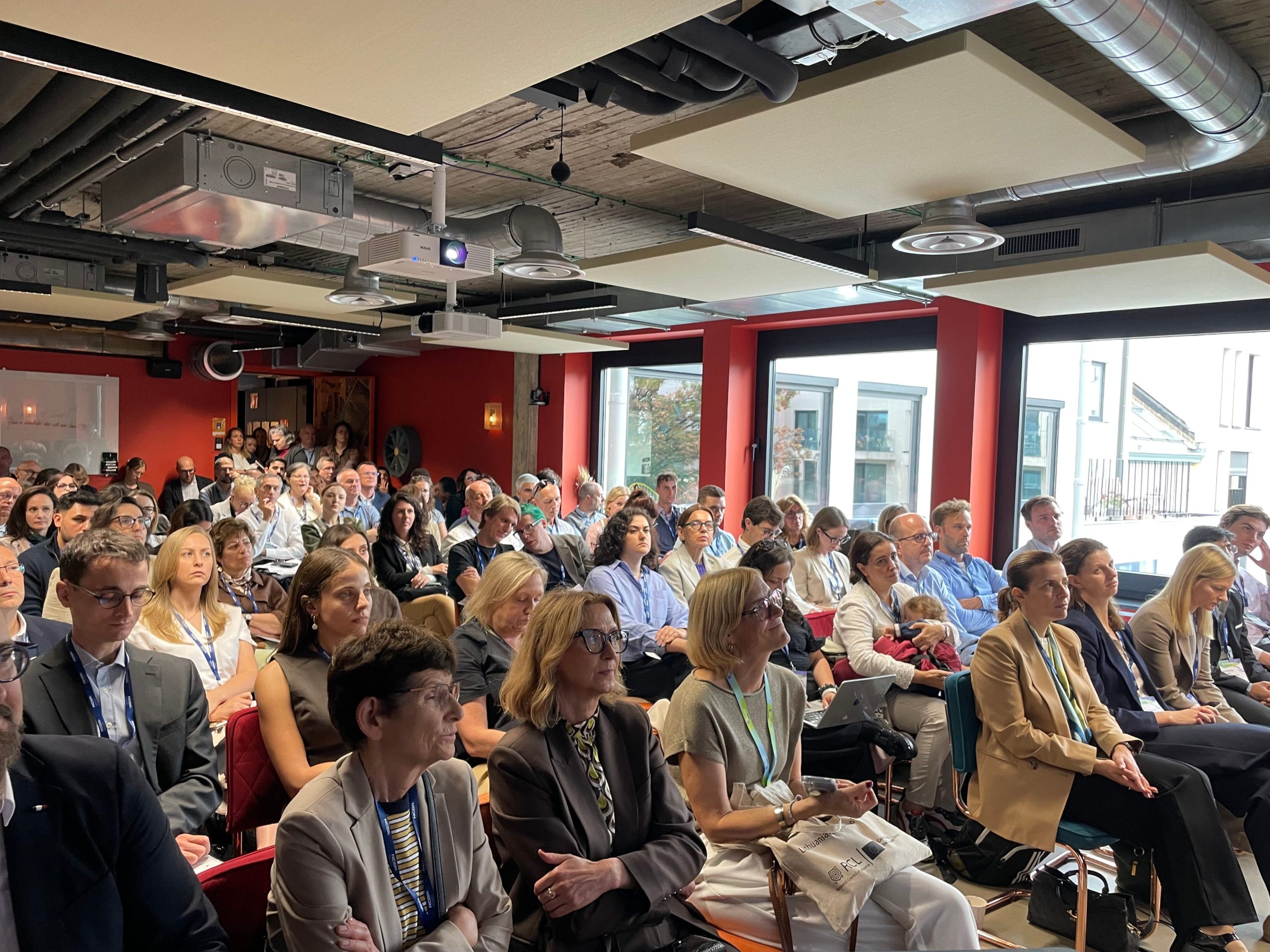
More than 140 researchers, healthcare professionals, innovators and other stakeholders from over 25 countries gathered in Brussels on 28 September with a practical objective: to find partners for future projects under Horizon Europe’s Cluster 1: Health and the EU Mission Cancer.
The “Building Strong Networks in Cluster 1 Health & Mission Cancer” brokerage event, now in its fifth edition, focused on opportunities expected under the 2027 Horizon Europe Health Cluster and EU Mission on Cancer calls. Interest was high enough for the event to reach full capacity. For the organisers, however, filling the room was only the starting point. The purpose of the day was to create the kind of connections that can eventually develop into project teams and international consortia.
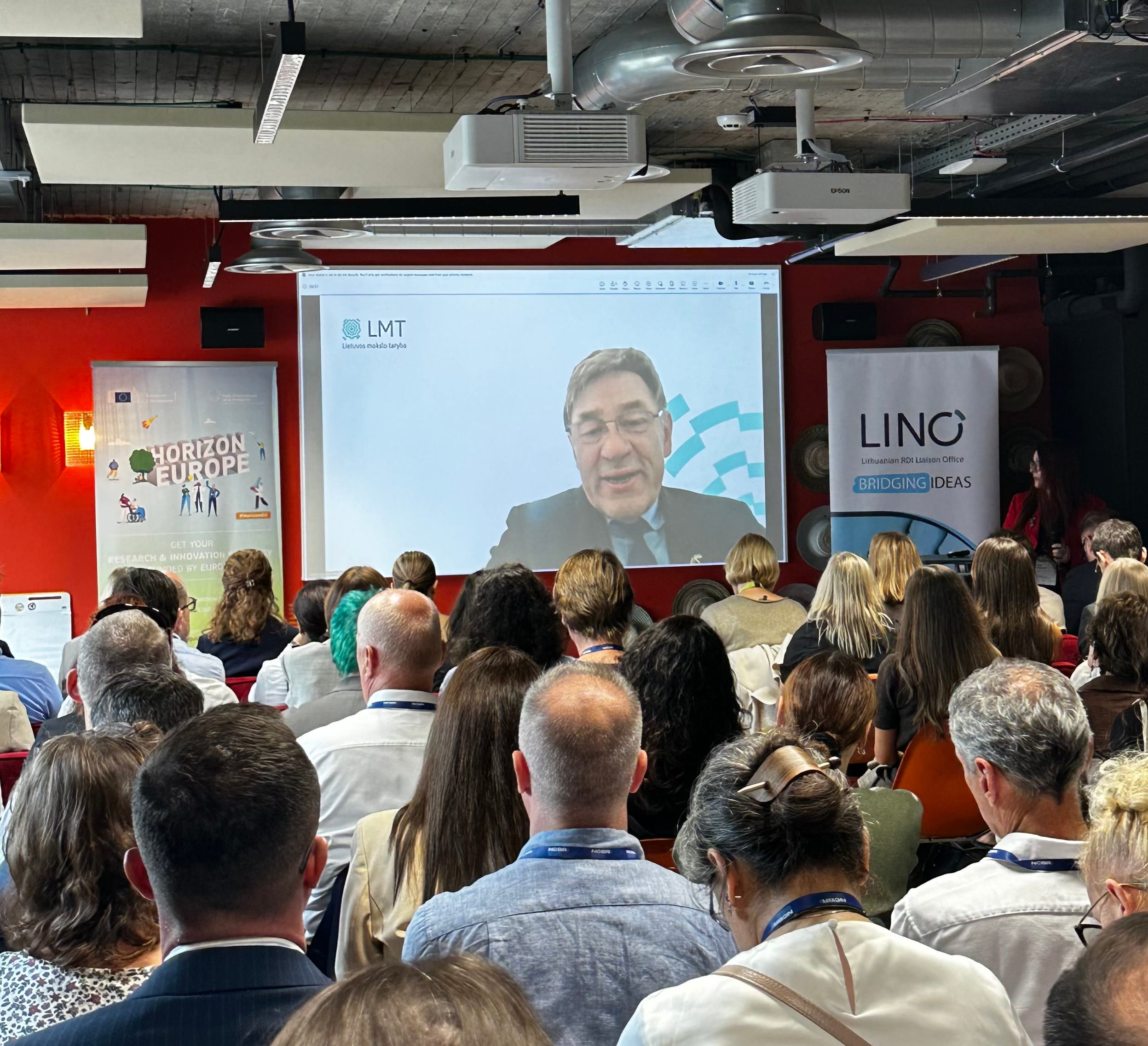
“Horizon Europe needs not only excellent ideas, but also strong partnerships, complementary expertise and people willing to collaborate across institutional and national borders,” said Prof. Dr Juozas Augutis, Acting Chair of the Research Council of Lithuania, opening the event. That message shaped much of the day.
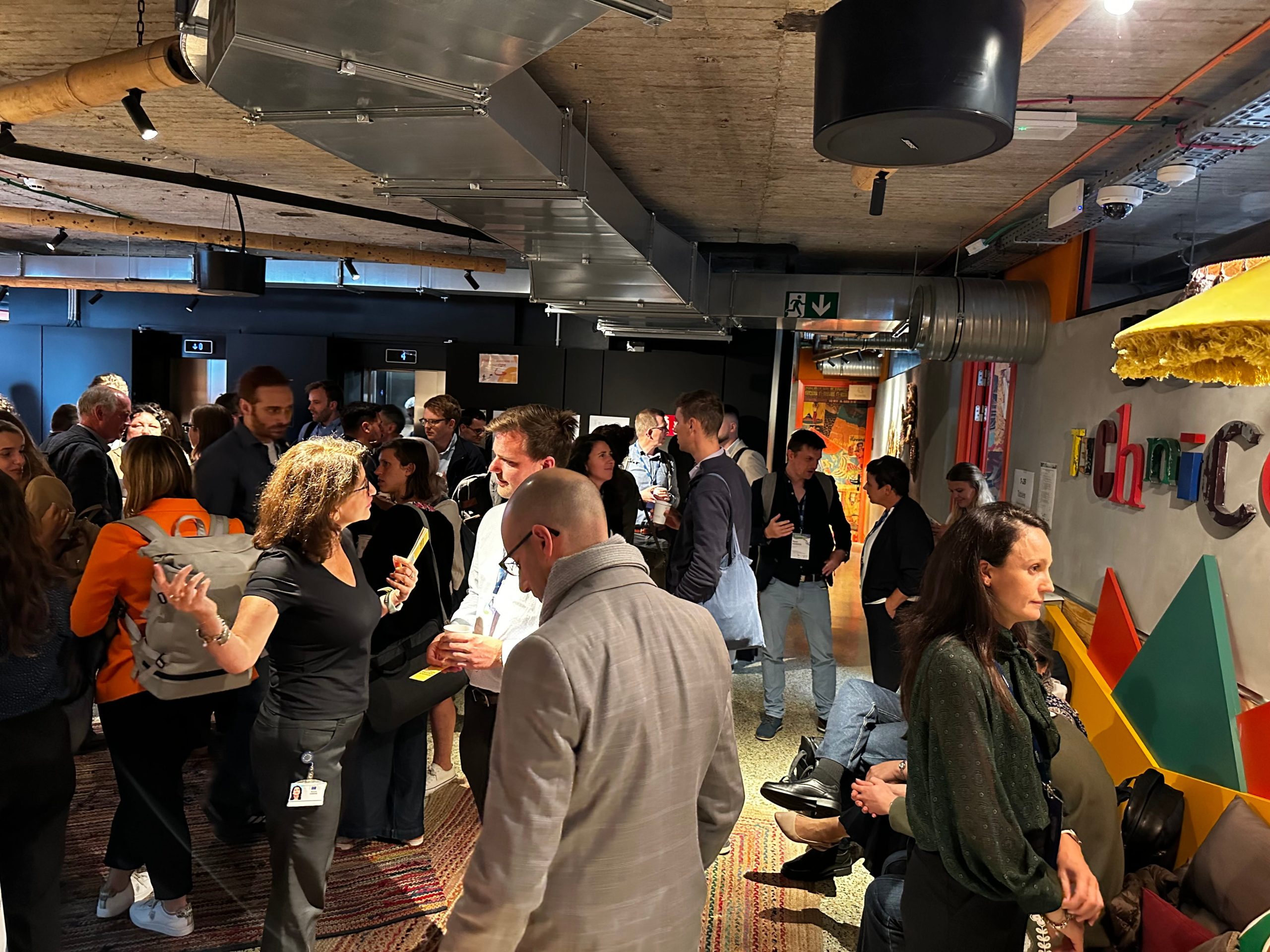
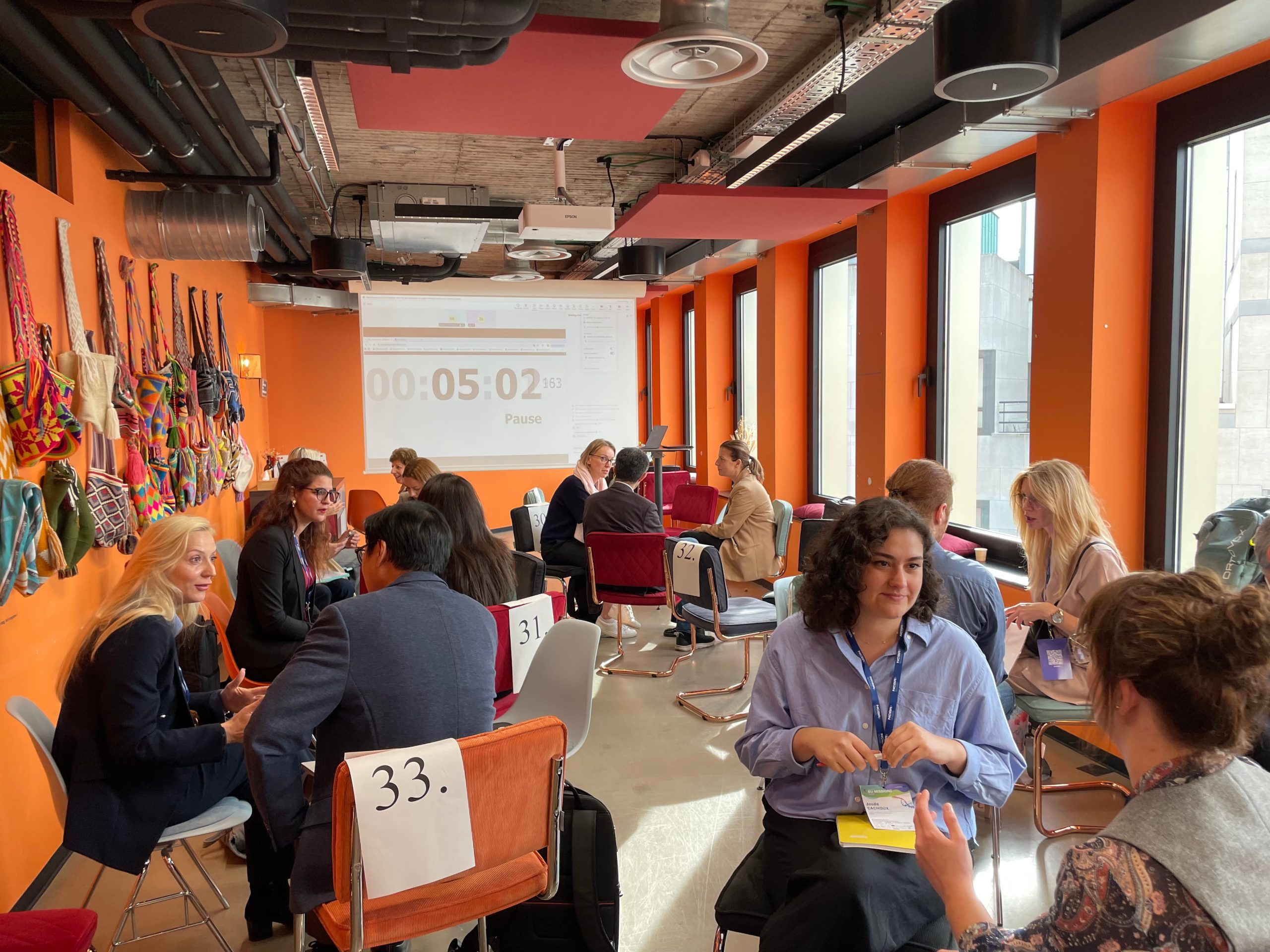
Participants presented project ideas in sessions covering health innovation, clinical research, digital health and artificial intelligence, before moving into one-to-one meetings to identify complementary expertise and potential partners.
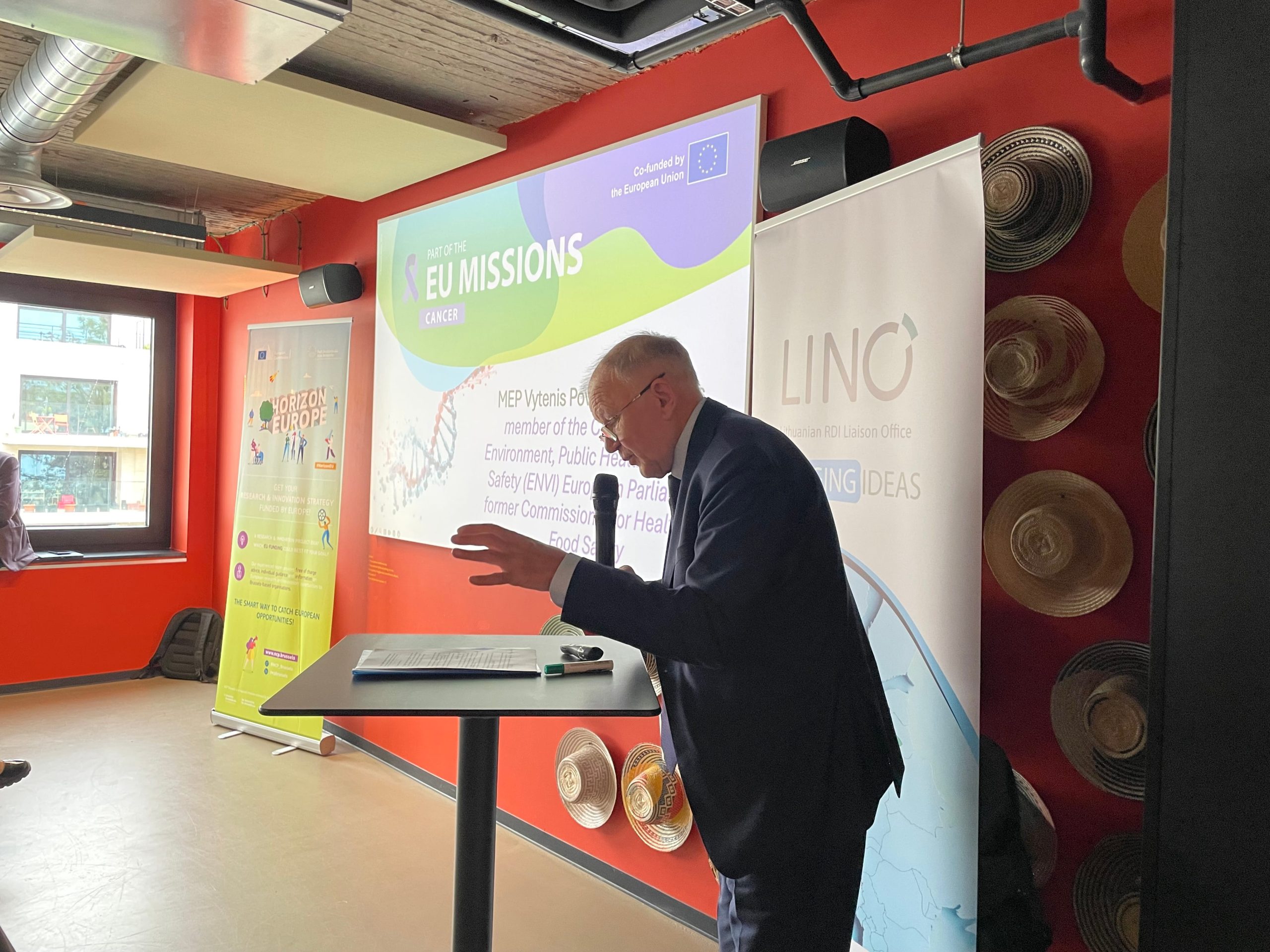
The need to combine knowledge across countries and disciplines was also emphasised by Vytenis Povilas Andriukaitis, Member of the European Parliament. “No country has all the answers. No institution has all the expertise. And no scientific breakthrough reaches patients through science alone,” he told participants. Andriukaitis pointed to prevention, early diagnosis, personalised medicine, health data, genetics and emerging technologies as areas shaping the future of European healthcare. But he also cautioned against treating technology as an end in itself: ultimately, innovation matters when it improves people’s health and quality of life.
Cancer Mission moves towards its next phase
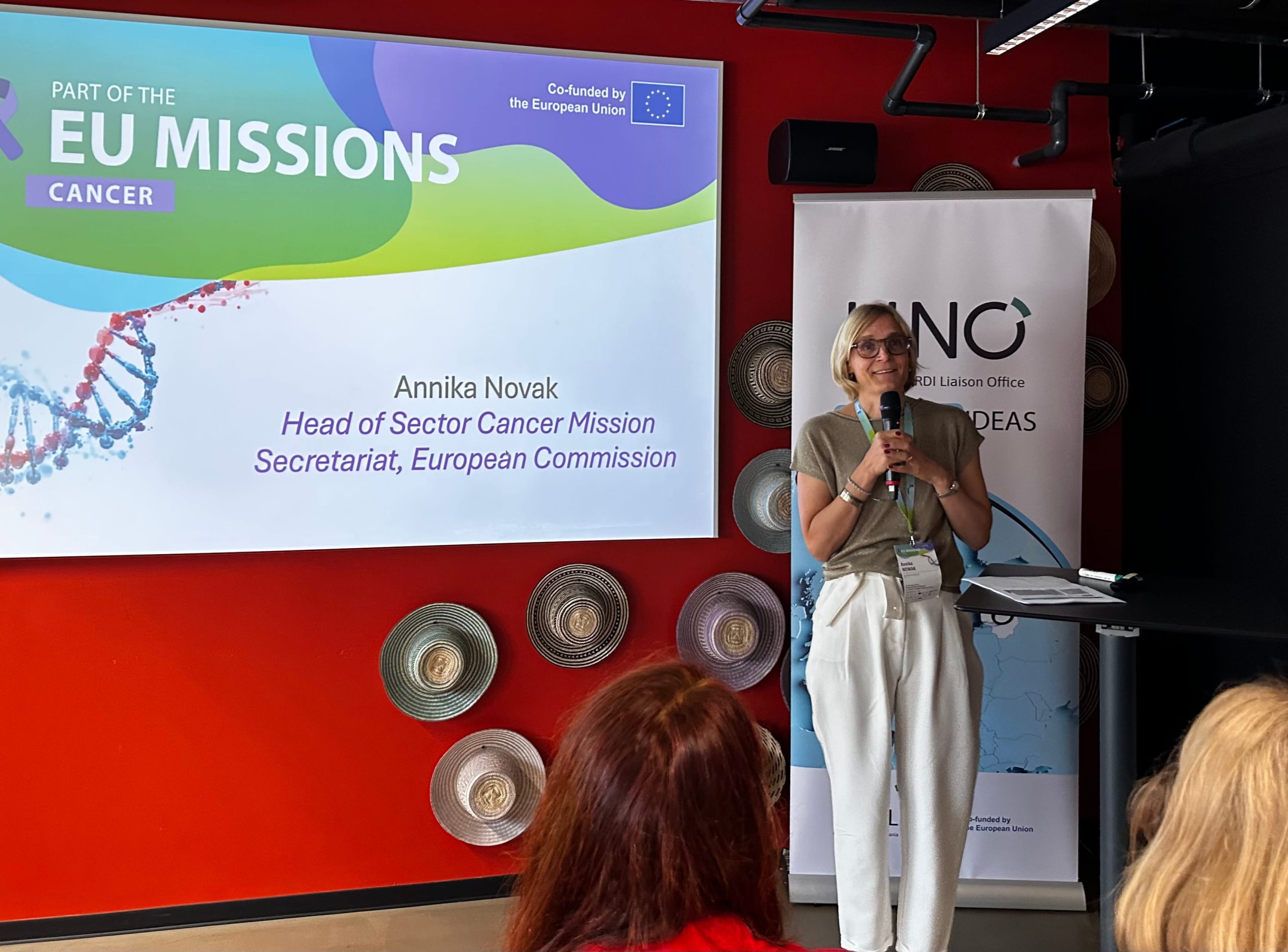
The brokerage event came as the EU Mission on Cancer prepares for another round of research and innovation opportunities. Annika Nowak of the European Commission’s Directorate-General for Research and Innovation presented the Mission’s progress and priorities for the coming years.
Between 2021 and 2025, €605 million was invested in 76 projects, while more than 850 collaborations were established across research, healthcare and policy. The Mission aims to improve the lives of more than three million people by 2030, extending its focus beyond treatment to prevention, early detection and quality of life. Attention is now turning to 2027, with new funding opportunities under the EU Mission on Cancer expected to support projects spanning cancer prevention and early detection, diagnosis and treatment, and quality of life.
Not all of the day’s discussions focused on conventional research funding. Marcin Kautsch turned attention to pre-commercial procurement and its potential to bring innovative solutions into healthcare – arguing that it “might not be as boring as it sounds.”
Lithuanian researchers looking for European partners
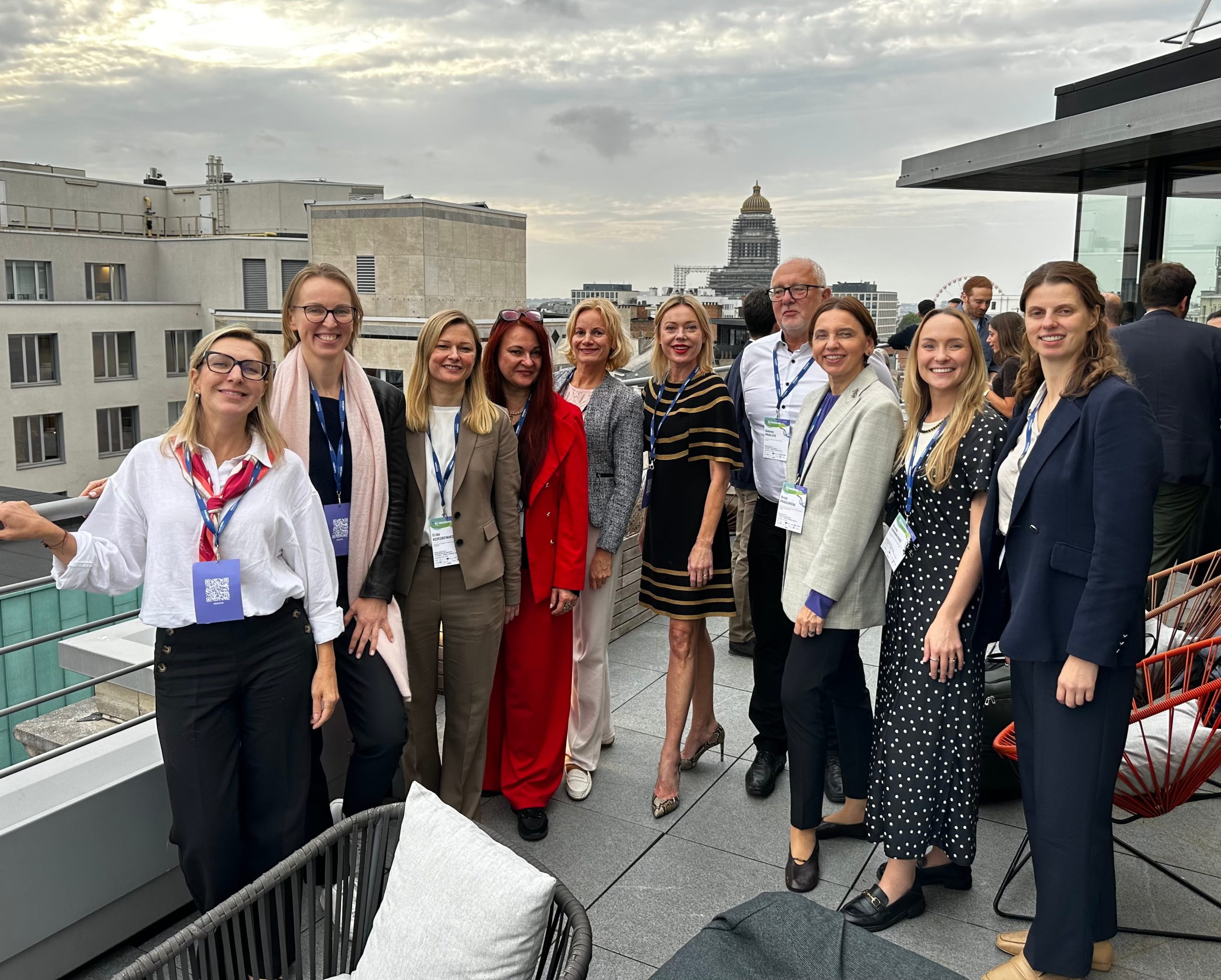
Lithuanian organisations were also actively represented in Brussels. Participants from Lithuanian University of Health Sciences (LSMU), Hospital of Lithuanian University of Health Sciences Kauno klinikos, Kaunas University of Technology (KTU), Vilnius University (VU), the National Cancer Institute and the Innovative Medicine Centre presented project ideas, joined thematic discussions and met prospective partners. For Lithuanian researchers, these meetings offer something that cannot easily be achieved through a funding call or partner-search database alone: the opportunity to discuss an idea directly, understand what expertise is missing and identify organisations that could fill those gaps.
A conversation over coffee may lead nowhere. Or it may reveal that two organisations have precisely the expertise each other needs. An initial meeting can develop into a project idea, and a project idea into a consortium.
With the 2027 Horizon Europe calls approaching, the event in Brussels has ended. The work of turning those introductions into partnerships has only just begun.
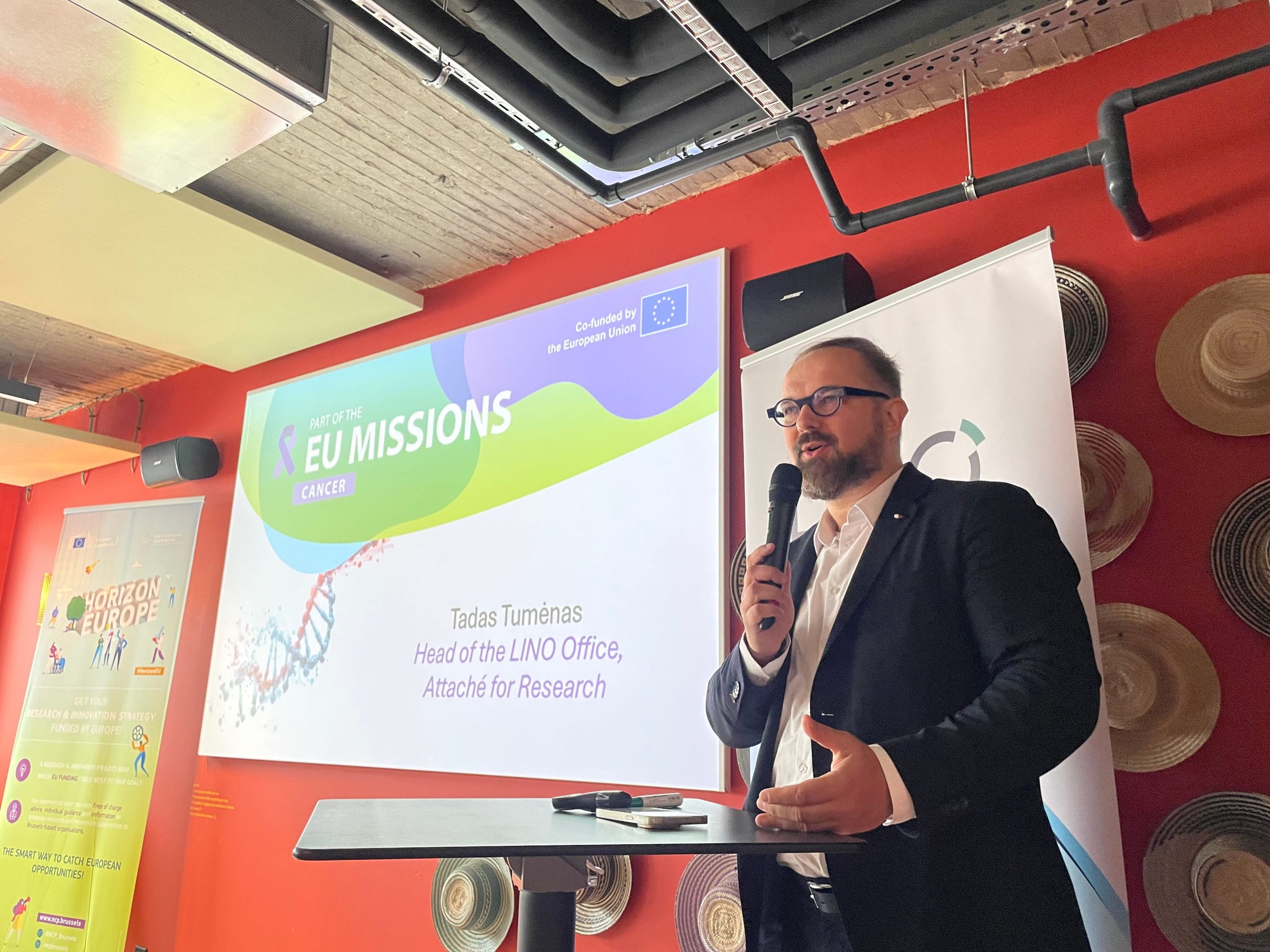
The event was organised by the LINO, together with the Horizon Europe National Contact Points (NCPs) at the Research Council of Lithuania, the Polish National Contact Points at the National Centre for Research and Development (NCBR) and the NCBR Office in Brussels.
Horizon Europe National Contact Points from France, Estonia, Latvia and Belgium also contributed to the organisation of the event.