For well over a decade now, European democracies (and Western democracies more generally) have been dealing with frequent crises, such as polarisation of society, radicalisation of marginal groups, disinformation, populism and increasingly aggressive public discourse, declining public trust in state institutions, interference with free elections, and restrictions on press freedom and the rule of law.
These crises have become so frequent and so intertwined that the concepts of “permacrisis” and “polycrisis” (meaning a constant and a multifaceted crisis respectively) have been coined to describe them.
EU institutions have been taking various measures to protect and promote European democracy – one of the core values of our continent. From the recent European Commission initiatives, the European Democracy Shield and the European Civil Society Strategy are worth mentioning. Importantly, every year the Cluster 2 work programme of Horizon Europe (the EU’s main framework programme for research and innovation) includes a separate destination called “Democracy and Governance”, aimed at funding research projects focussing on democracy, media, civil society topics.
One such project funded under the Horizon Europe “Democracy and Governance” destination was DIACOMET (running between 2023-2026), coordinated by researchers from Lithuania’s Vytautas Magnus University (VDU/VMU). It brought together media researchers and practitioners from 8 European countries: Lithuania, Finland, Estonia, Austria, Italy, Slovenia, Hungary, and the Netherlands.
The DIACOMET project explored issues related to culture, ethics and accountability of public communication, as well as ways to promote an inclusive public dialogue. In addition to coordinators from VDU/VMU, project partners from Lithuania also included journalists and factcheckers from the popular news website “Delfi”.
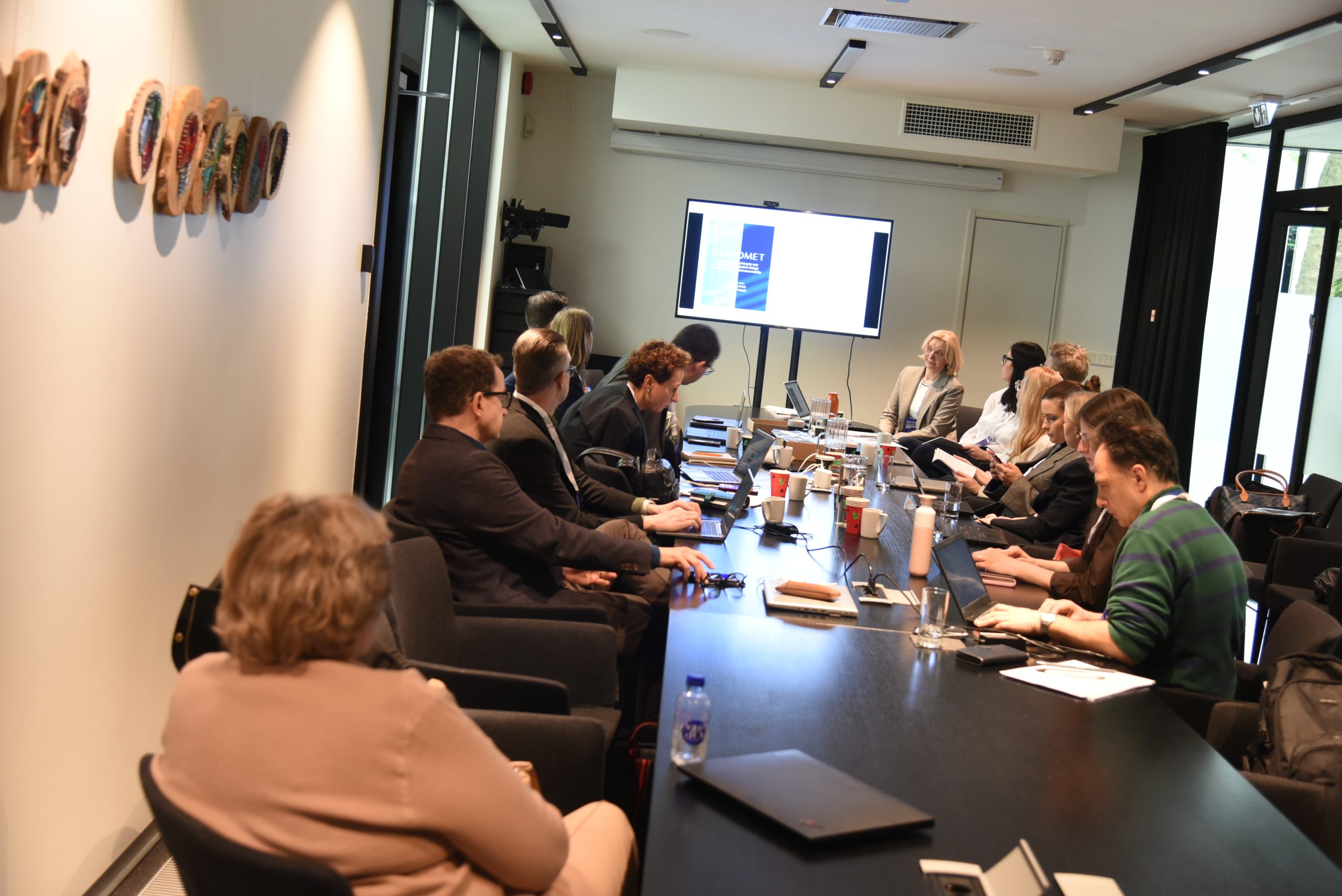
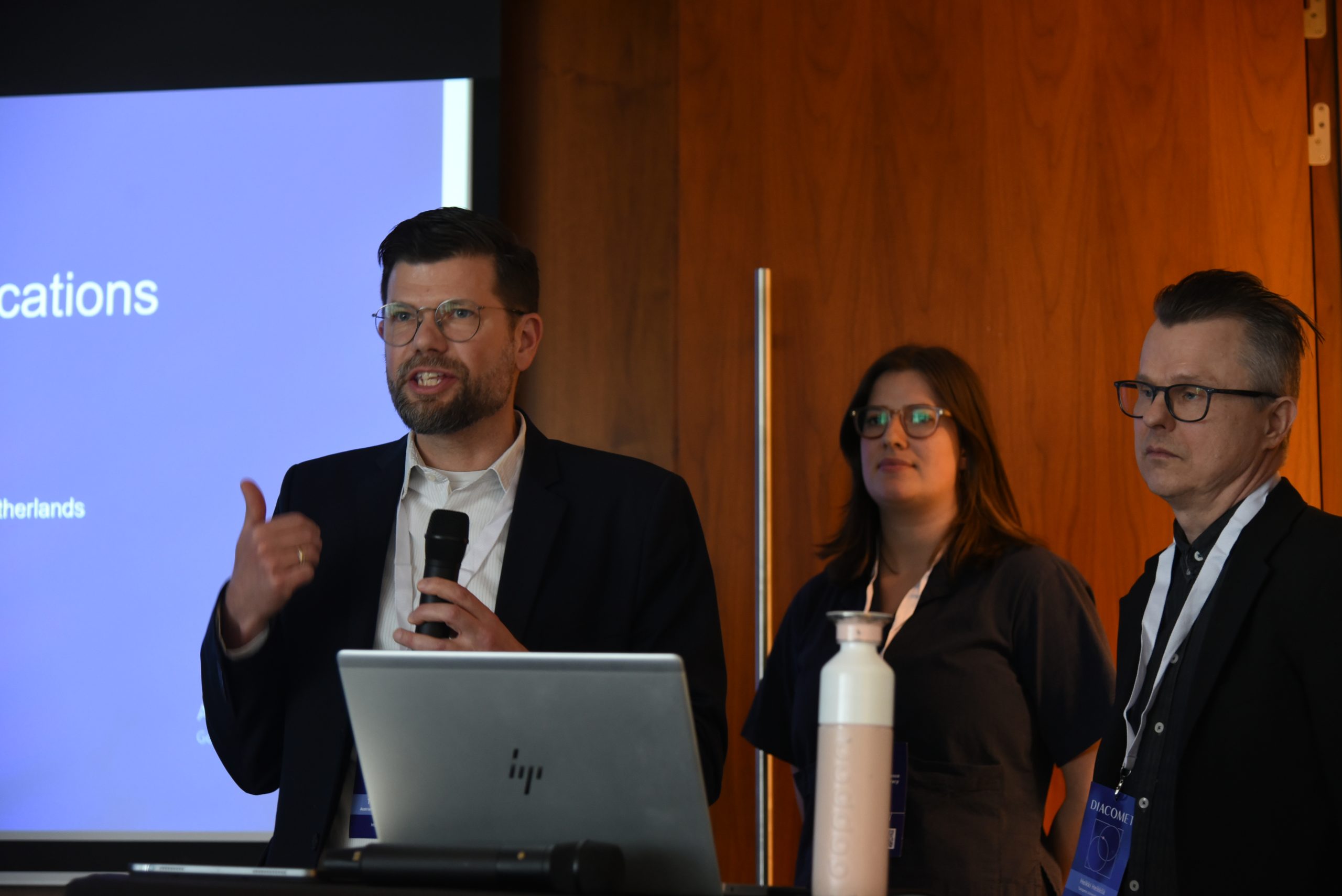
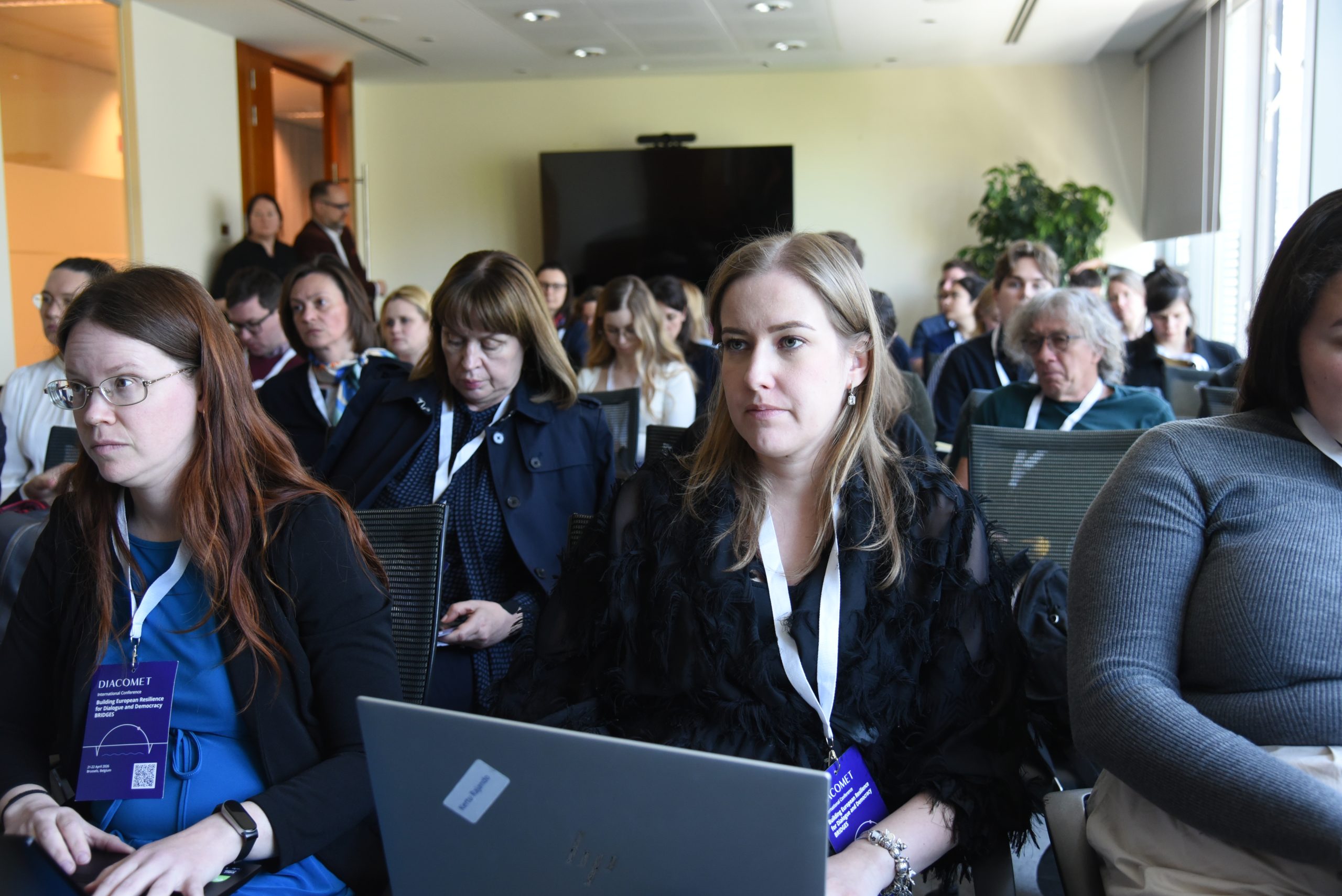
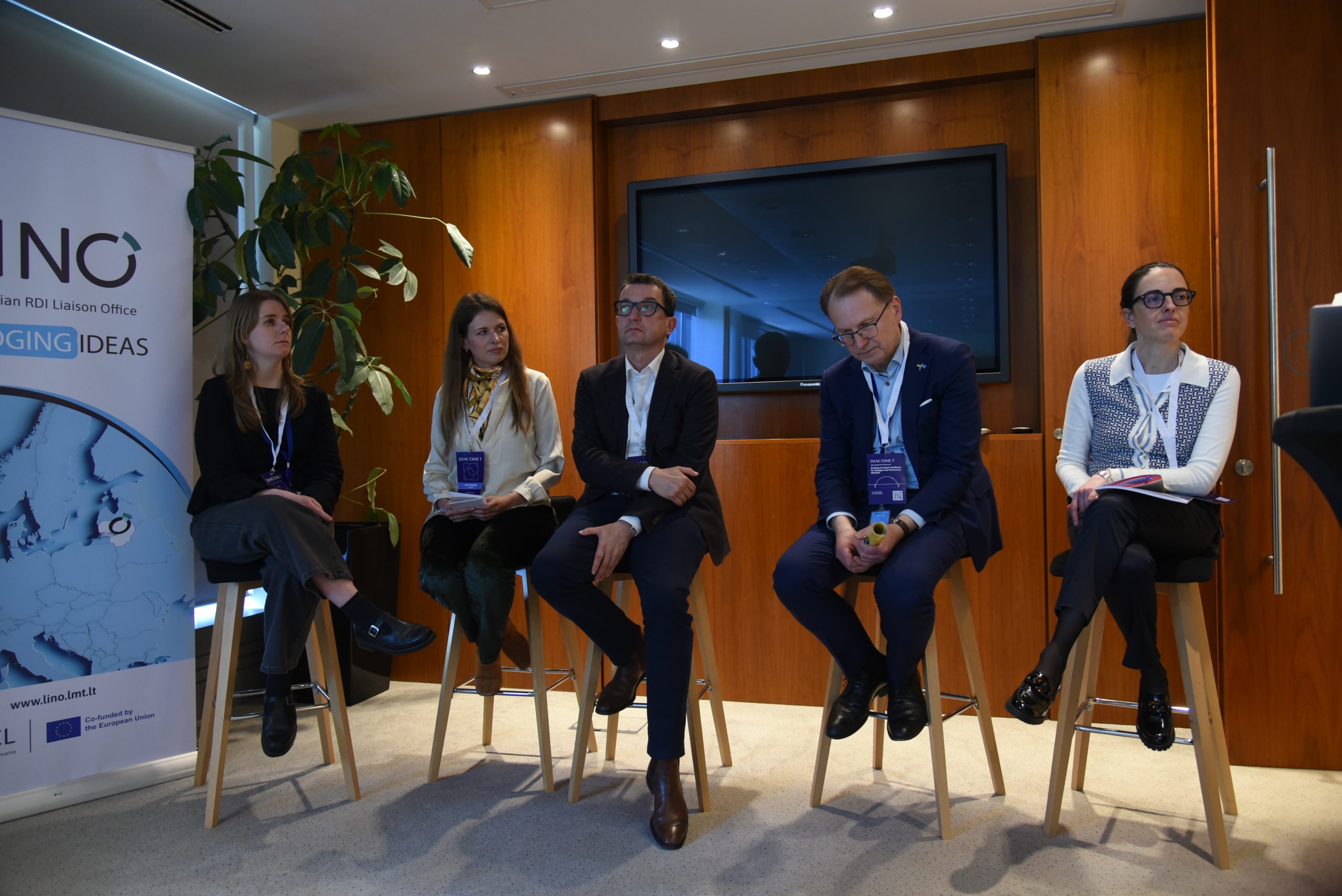
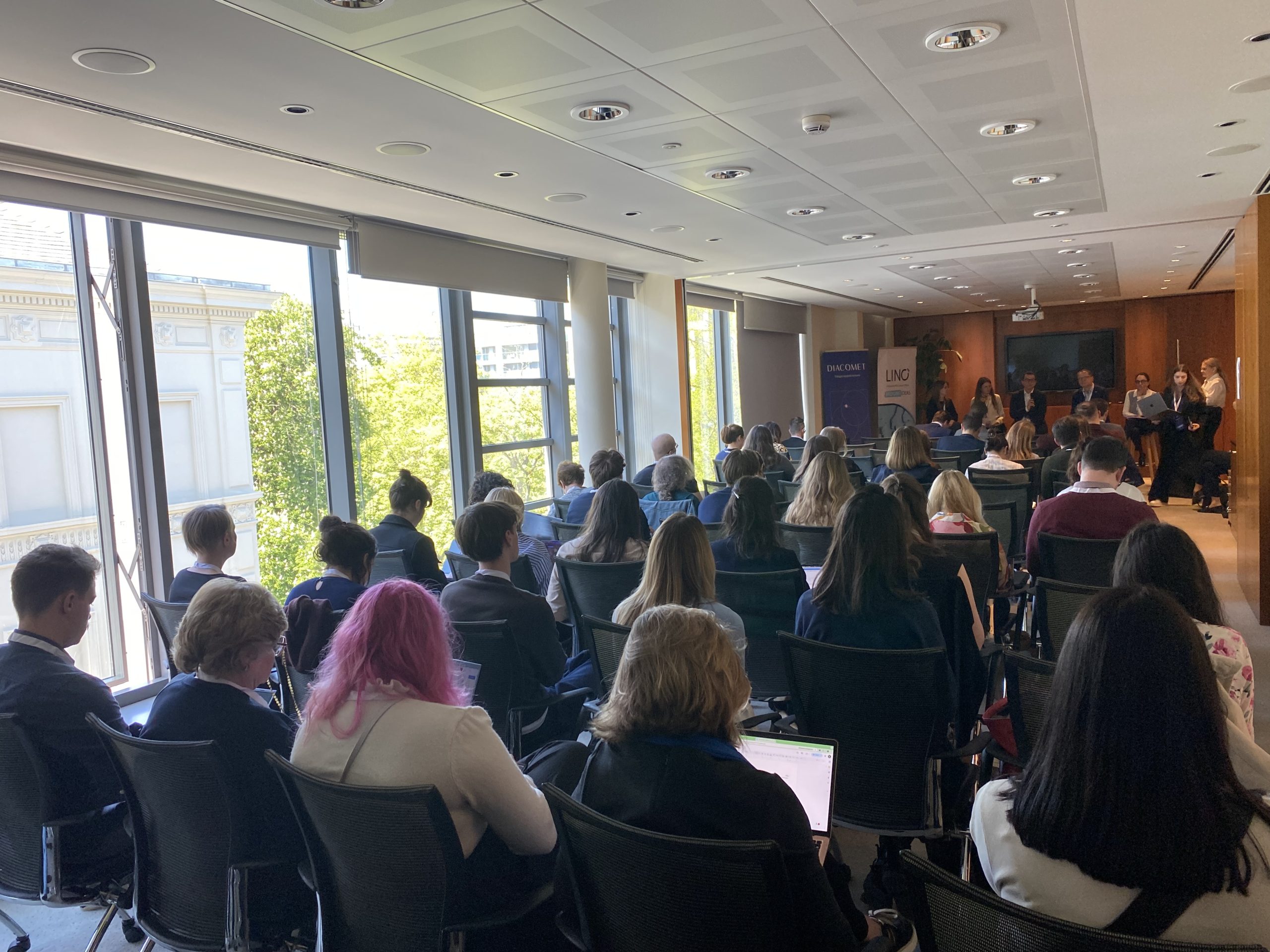
On 21–22 April 2026, LINO office (Brussels branch of the Research Council of Lithuania), together with the Estonian Research Council’s office in Brussels, organised a two-day concluding conference for DIACOMET. In order to attract a diverse audience, the DIACOMET partners’ programme was enriched with additional presentations by representatives from various Brussels-based EU institutions.
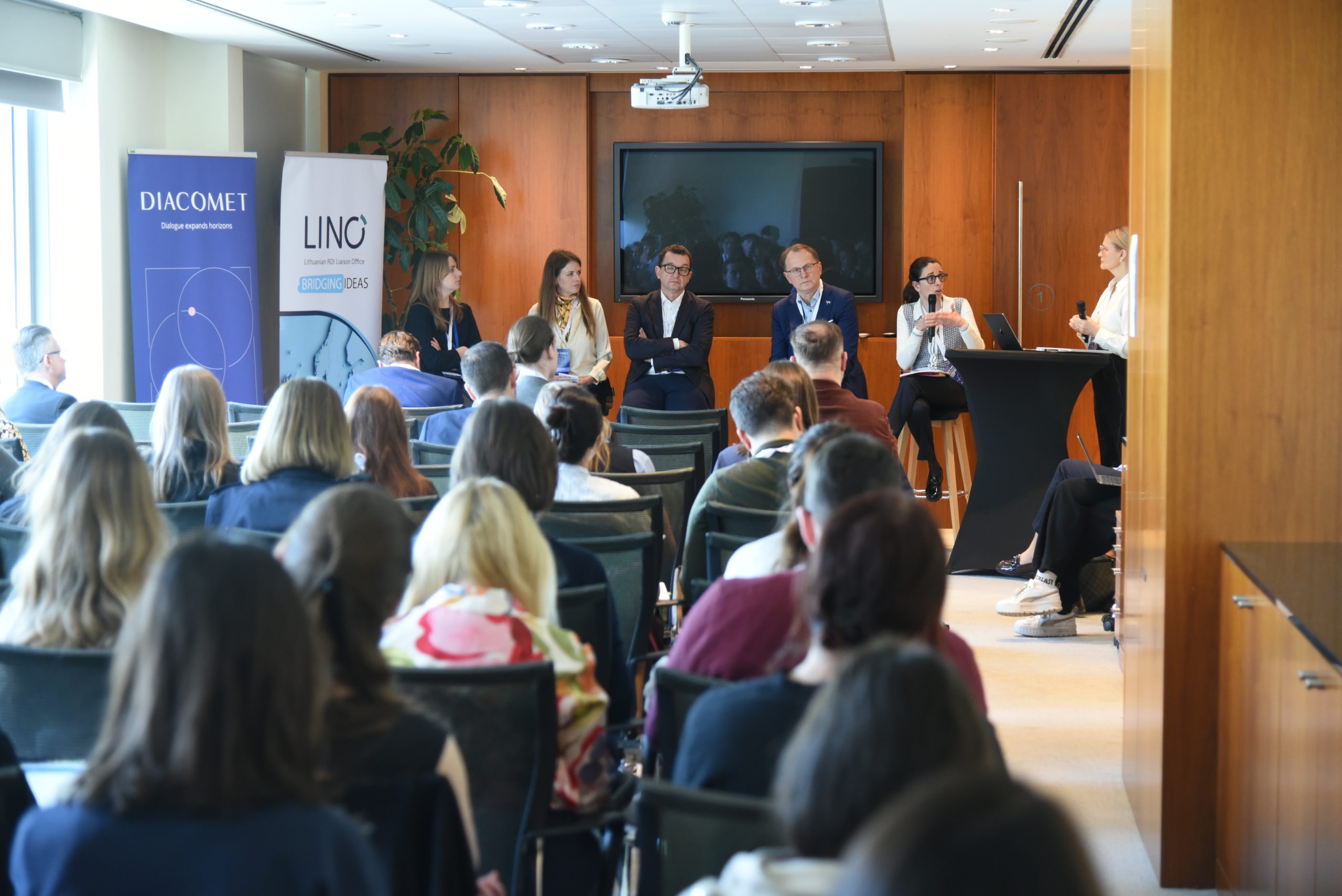
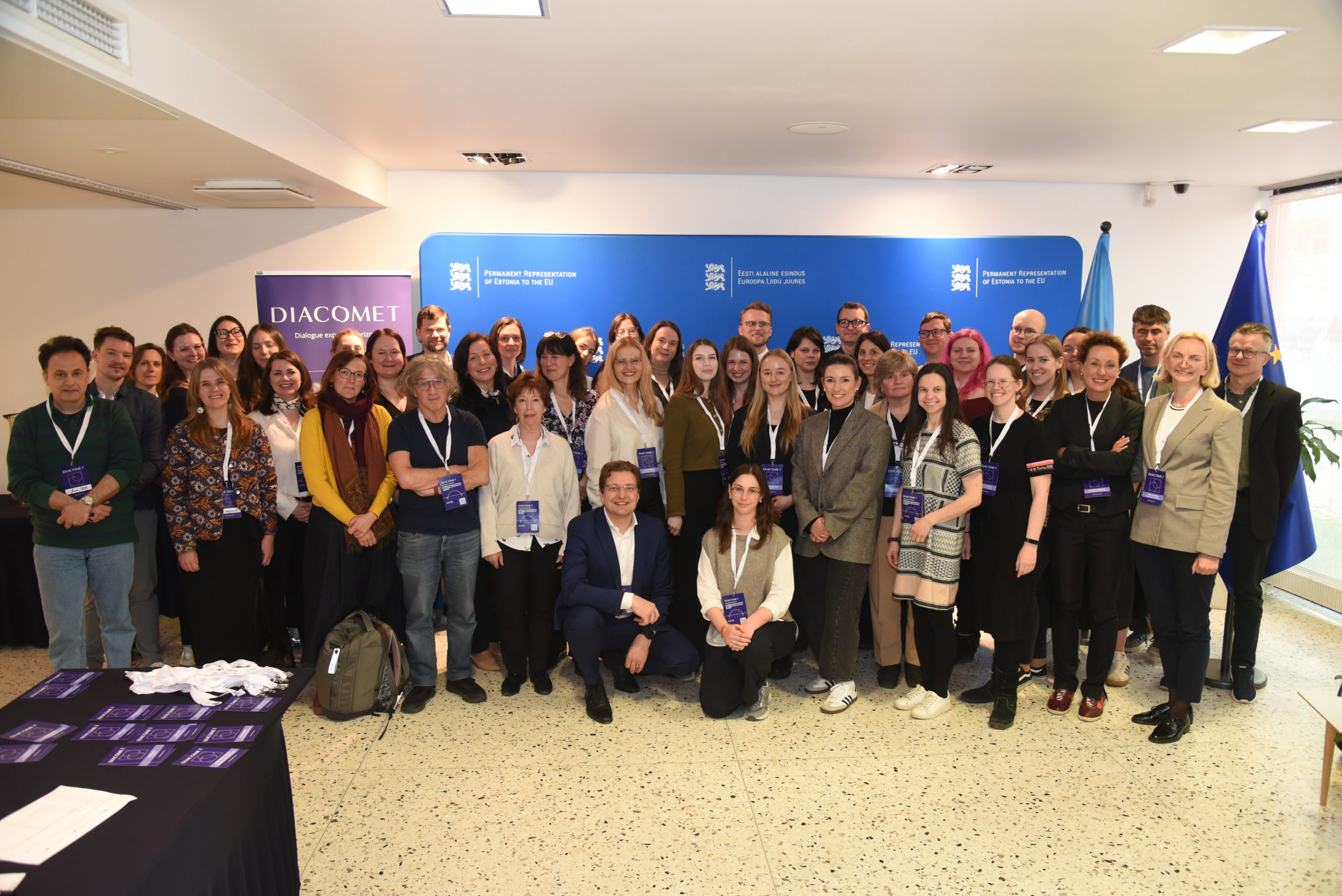
The first day of the conference, held at the Permanent Representation of Estonia to the EU, was dedicated to meetings and discussions among project partners, while the second day, held at the Permanent Representation of Lithuania to the EU, was open to stakeholders from Brussels research and innovation ecosystem as well as members of the general public.
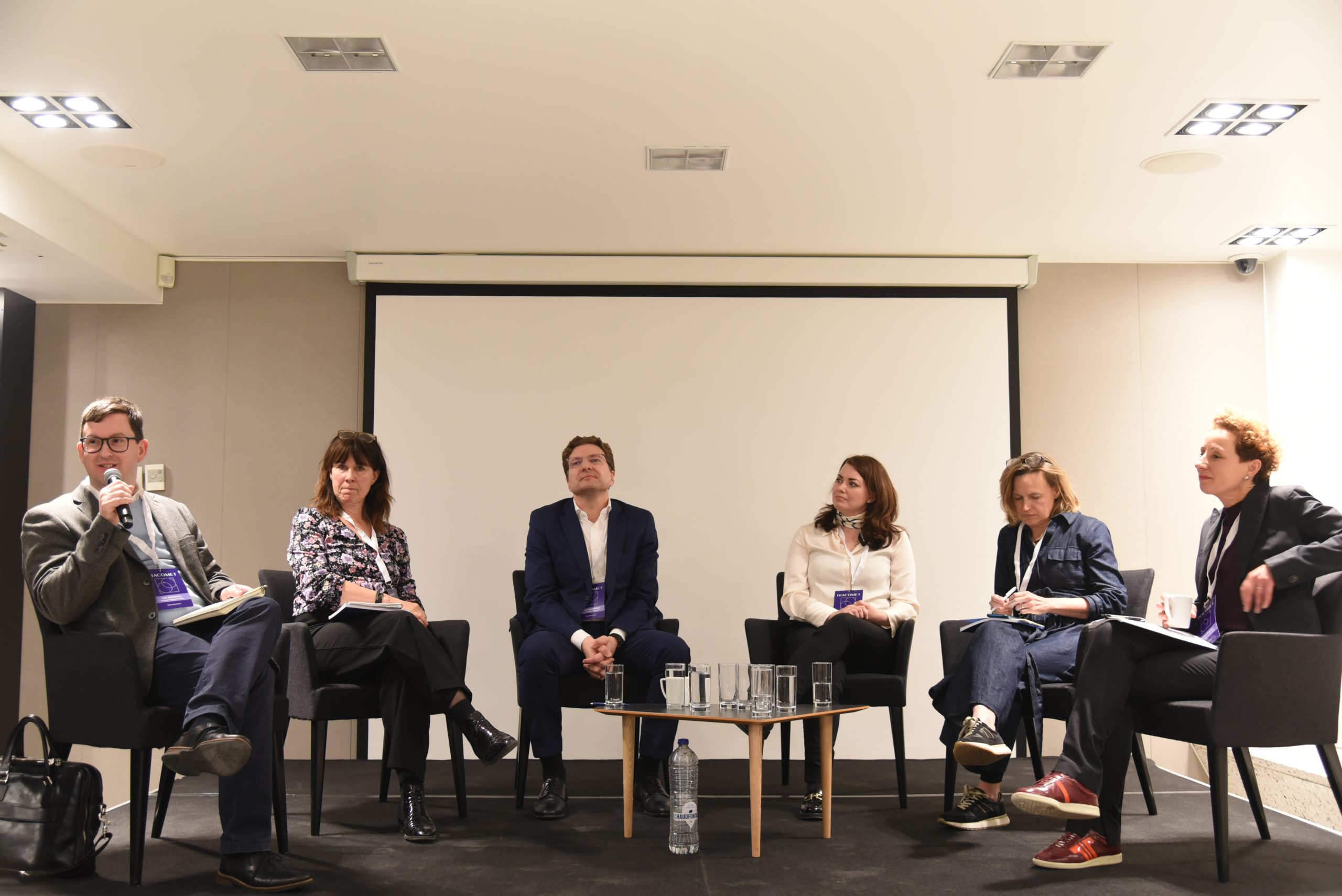
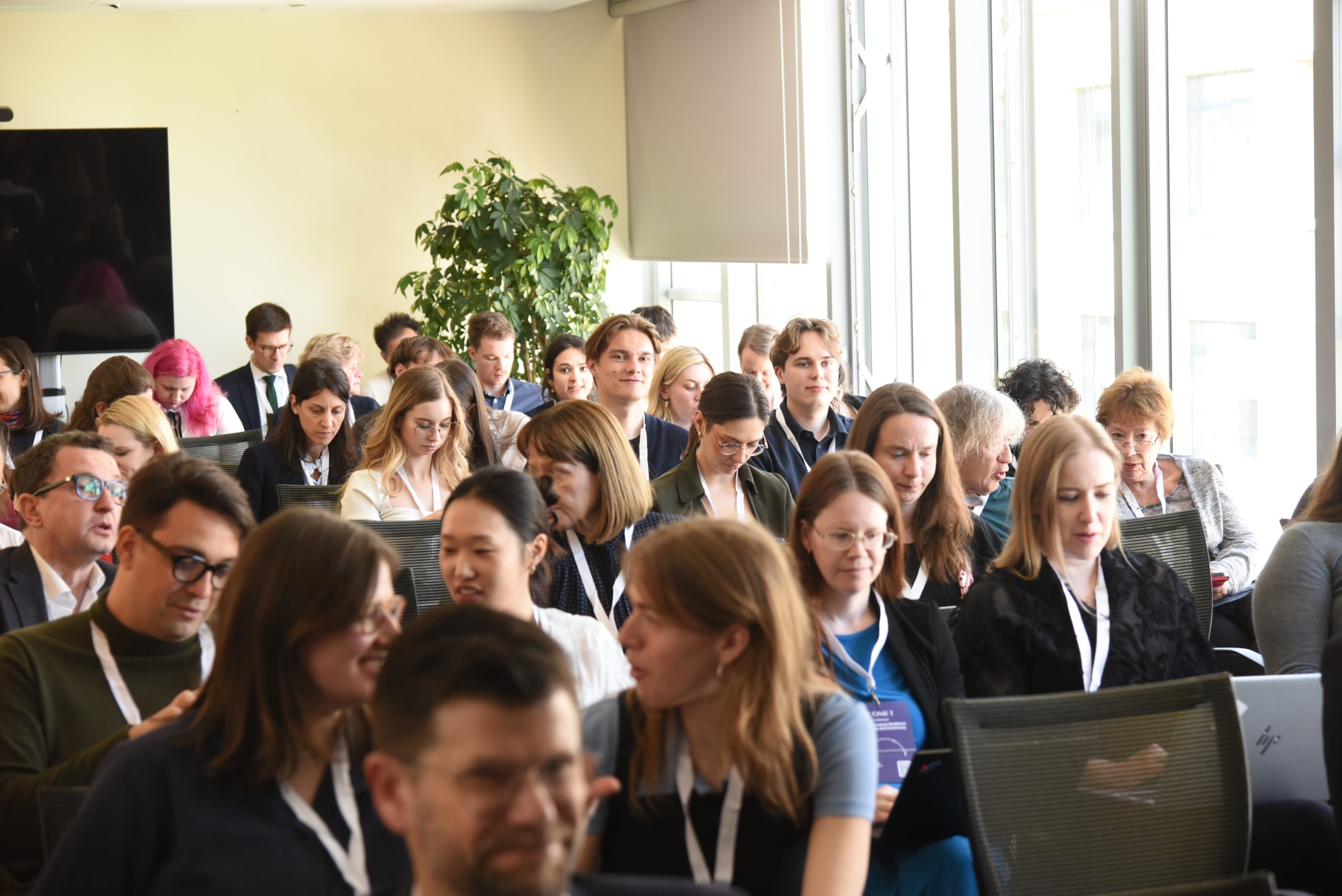
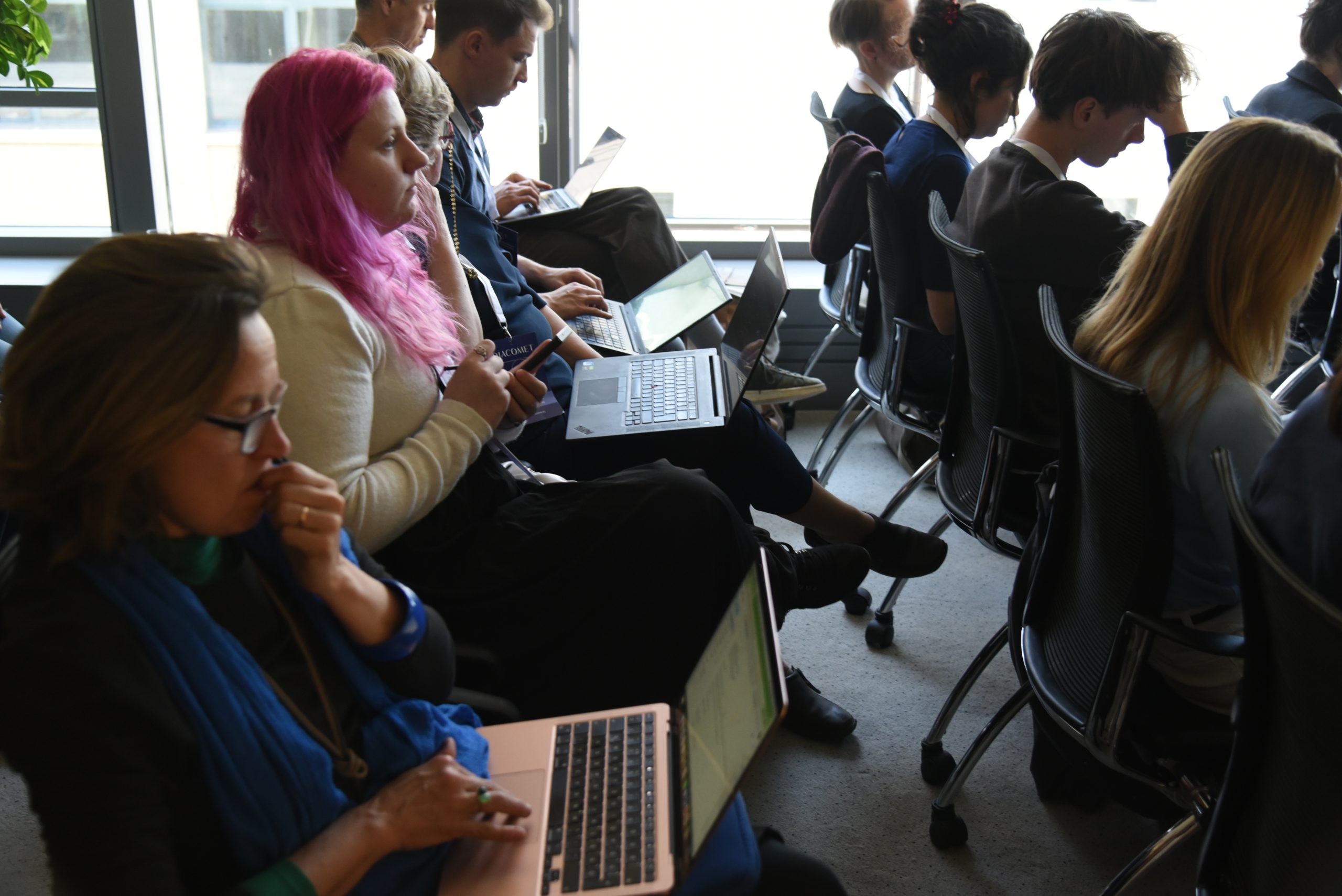
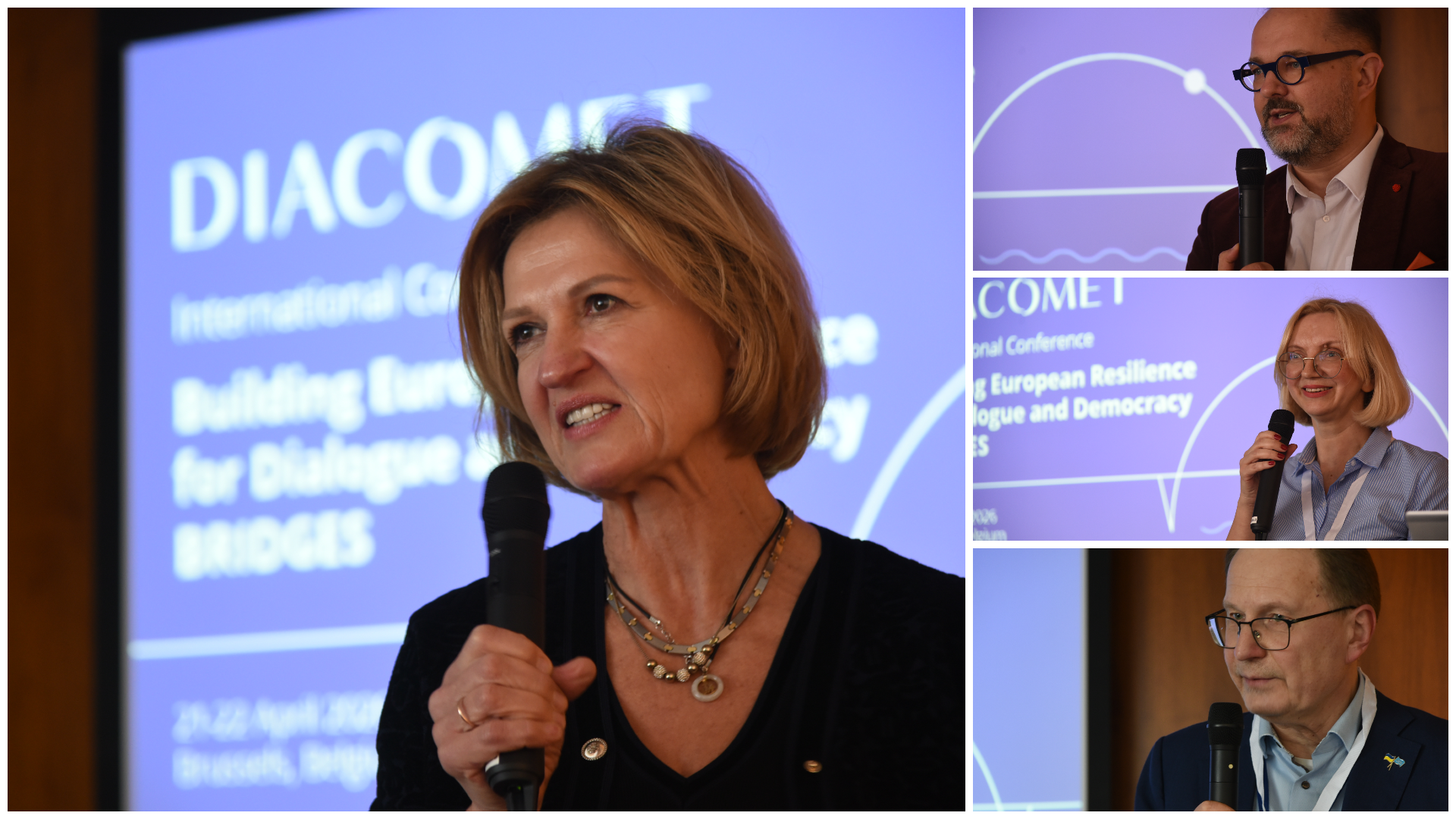
The conference brought together over 80 registered participants and had a busy and diverse agenda. In addition to representatives from DIACOMET itself, a number of public figures and EU institution representatives gave presentations and participated in panel discussions: Lithuania’s Media Ombudsman Mr. Dainius Radzevičius; Member of the European Parliament Mr. Dainius Žalimas; representatives from the European Commission’s Joint Research Centre Ms. Jolita Butkevičienė and Ms. Mara Almeida; the European Commission’s DG COMM representative Ms. Daina Naujokaitė.
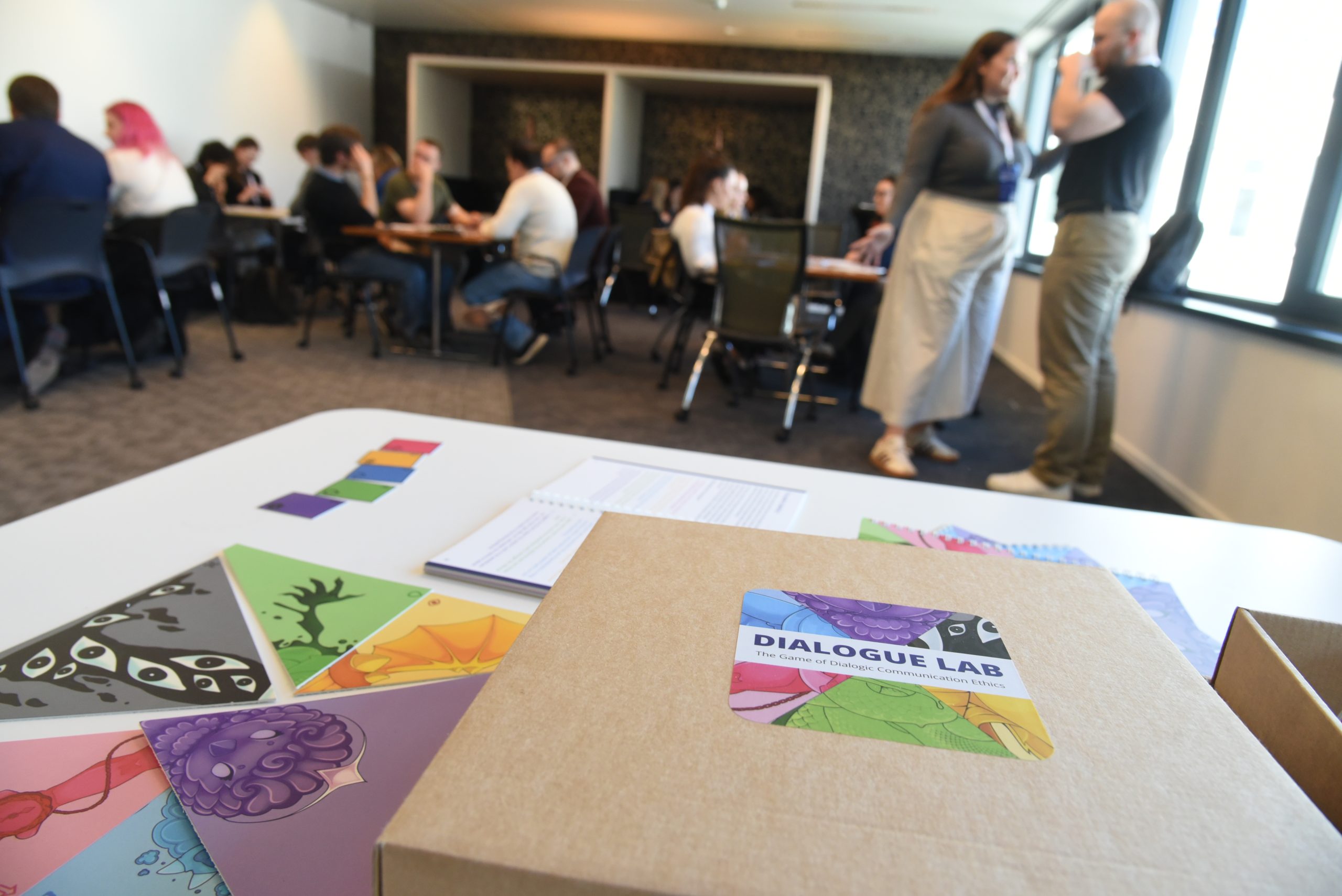
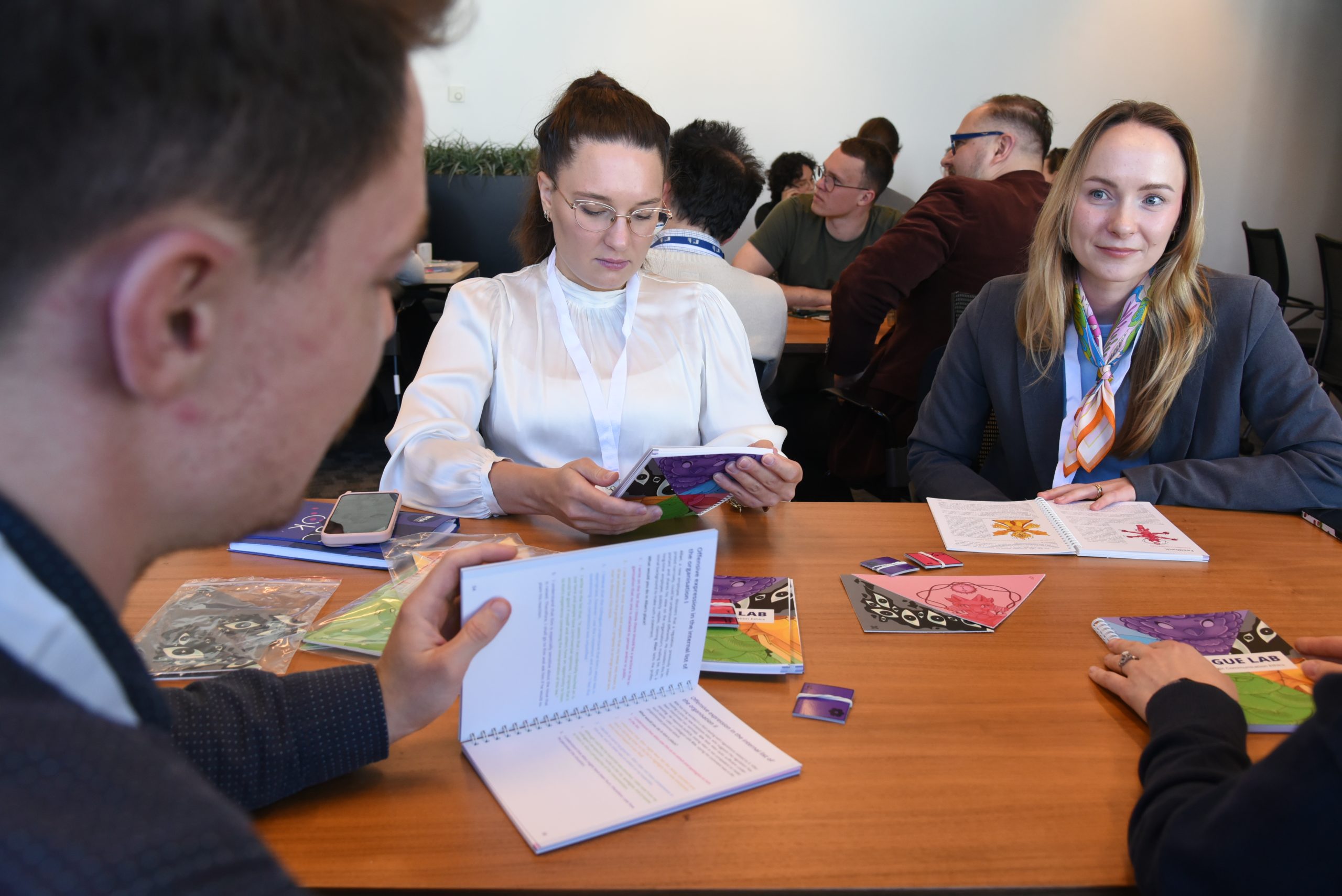
To further diversify the event agenda, one of the afternoon sessions included the dilemma game “Dialogue Lab,” developed by DIACOMET researchers from the University of Tartu in Estonia. In this game, players are presented with complex ethical scenarios from public communication practice and invited to discuss and agree on their possible solutions.
The tabletop version of the dilemma game is designed for 4–6 people, but it also has an online version – the latter can be played individually and, much like taking a psychological test, can help the player identify his/her ethical decision-making style—we invite you to give it a try!
The conference discussions (much like the DIACOMET partners’ research) have once again demonstrated that respectful, attentive, and ethically grounded public communication – one that engages as diverse a range of participants as possible – is one of the most important pillars of European democracy and a necessary condition for it to thrive.
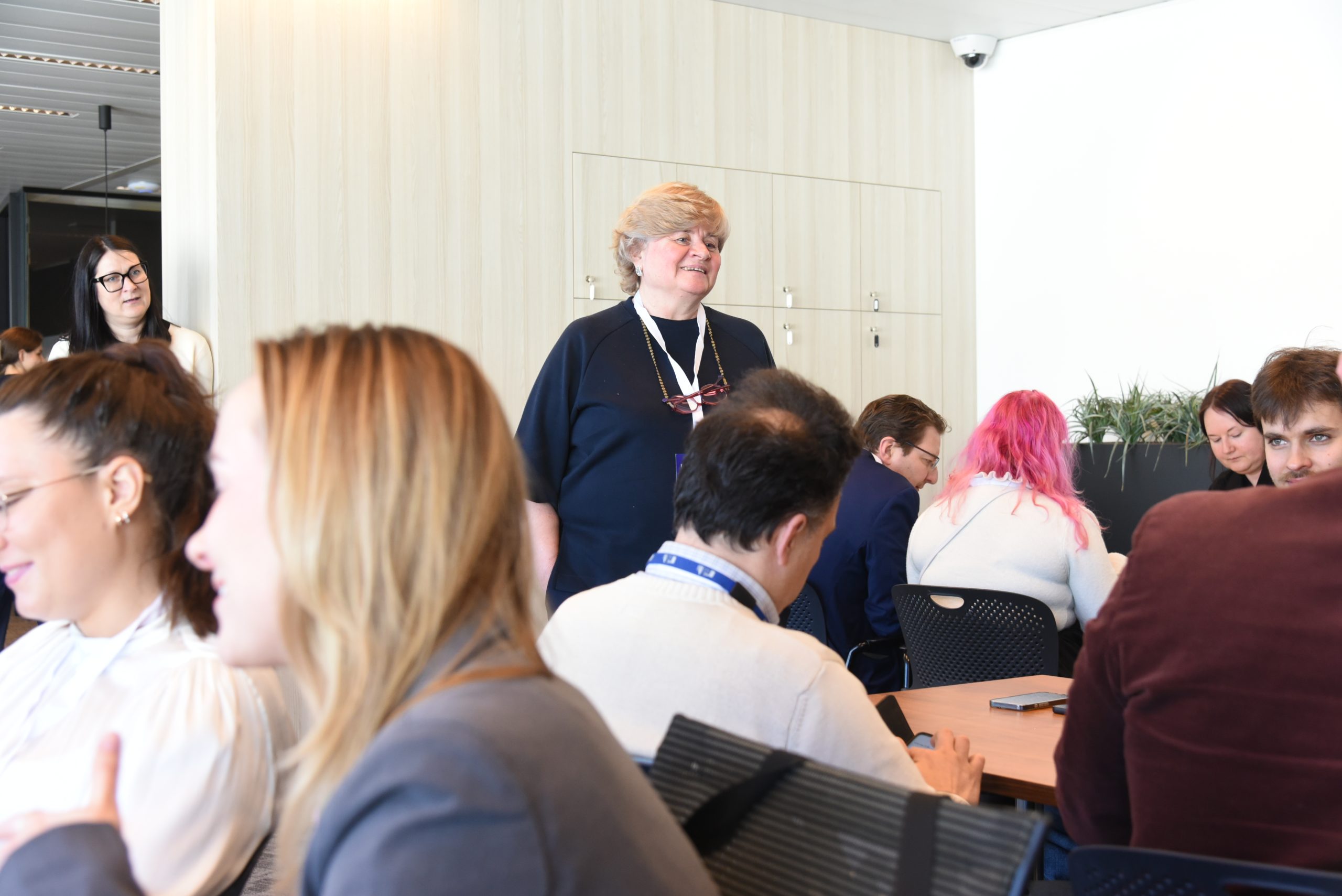
We are delighted that the event attracted a diverse audience, including academics, journalists, EU institution staff, business leaders and consultants from research and innovation policy bubble in Brussels. The participants were from over a dozen different countries.
The conference was an excellent opportunity to showcase Lithuanian research and media partnerships internationally and to once again raise the issue of ethics and culture of public communication, which is particularly relevant in our region today.
You can also read more about the conference in DIACOMET news article (EN) and in VDU/VMU news (LT).
Photos by Mindaugas Kavaliauskas.