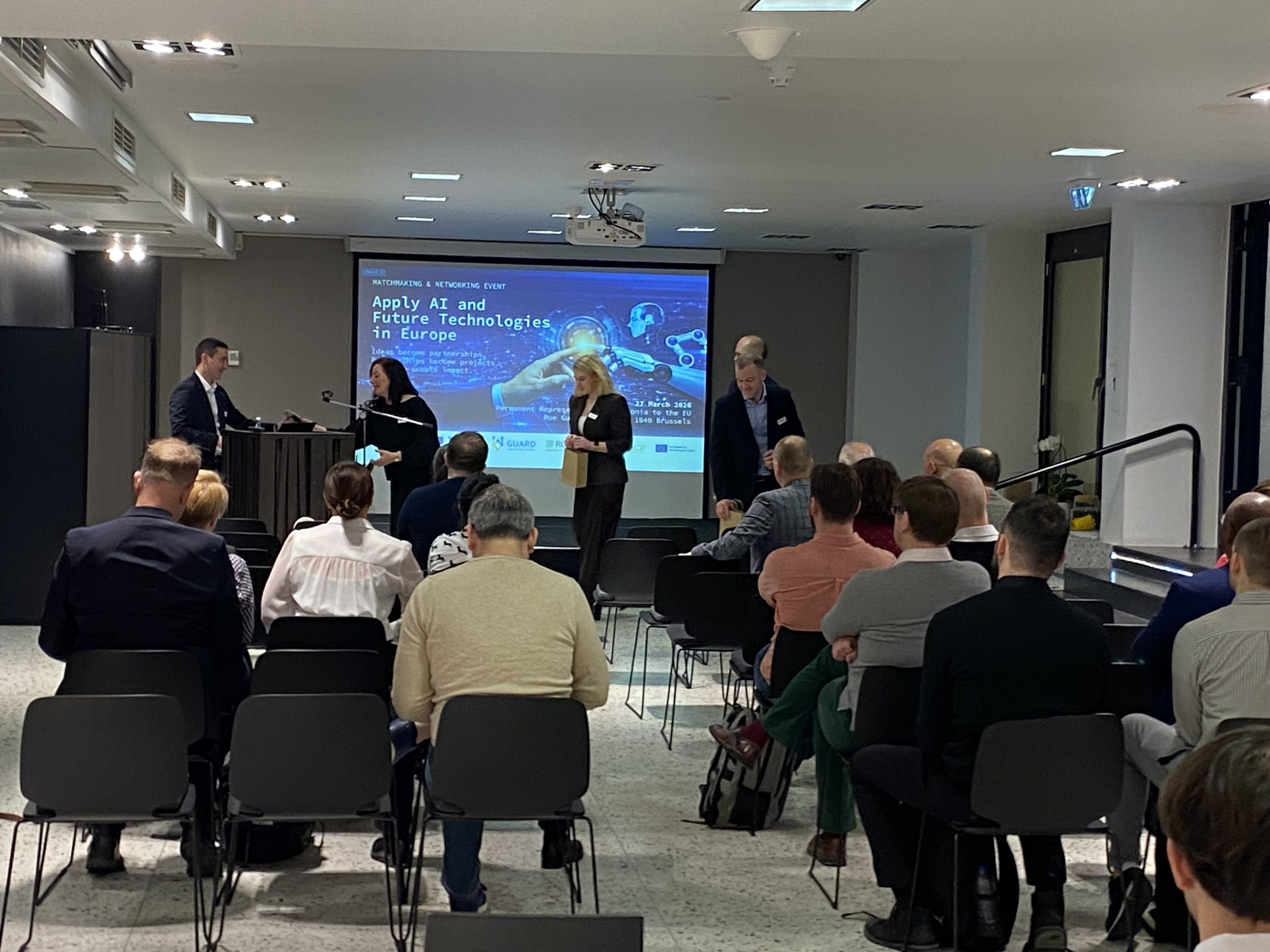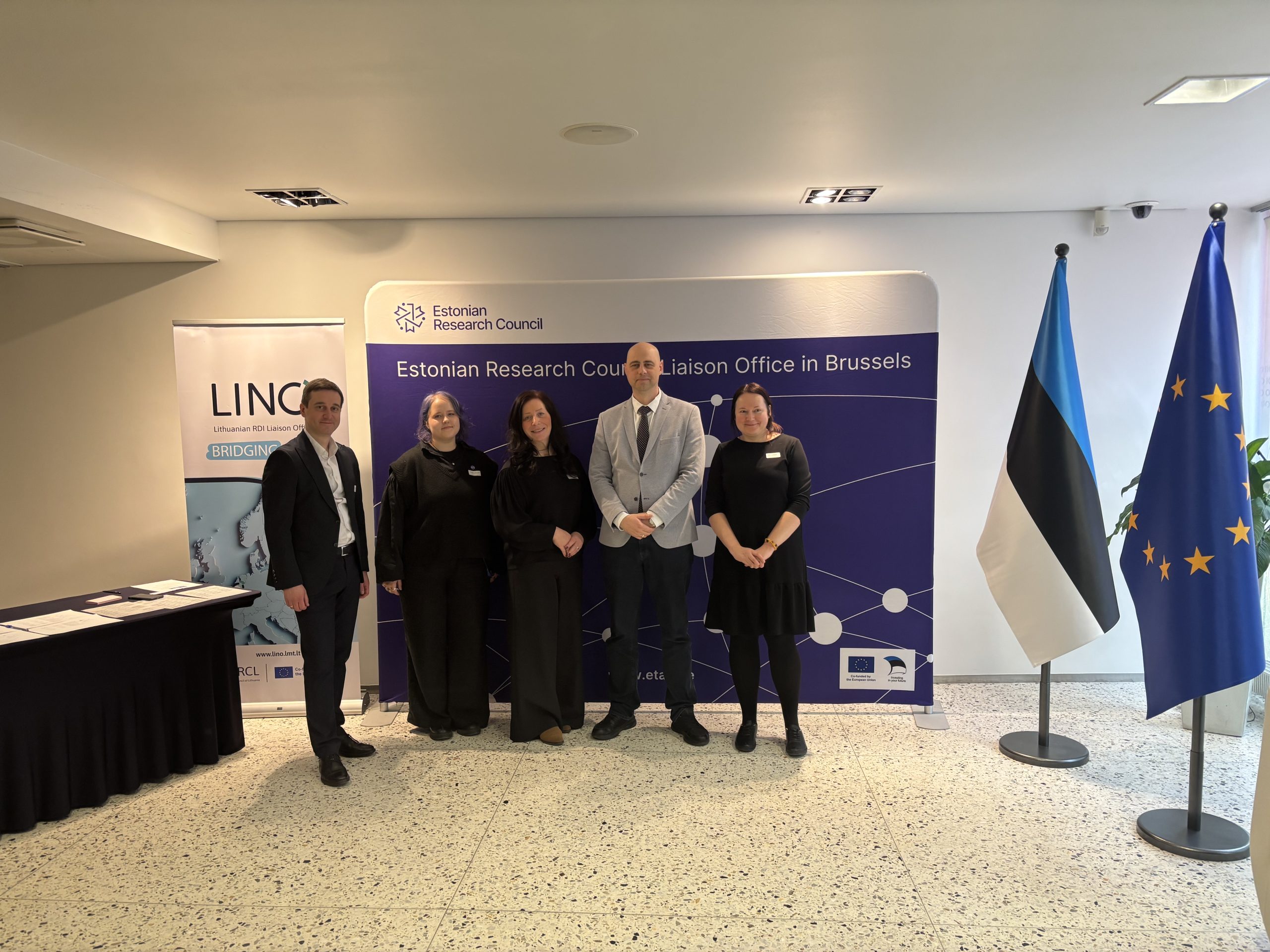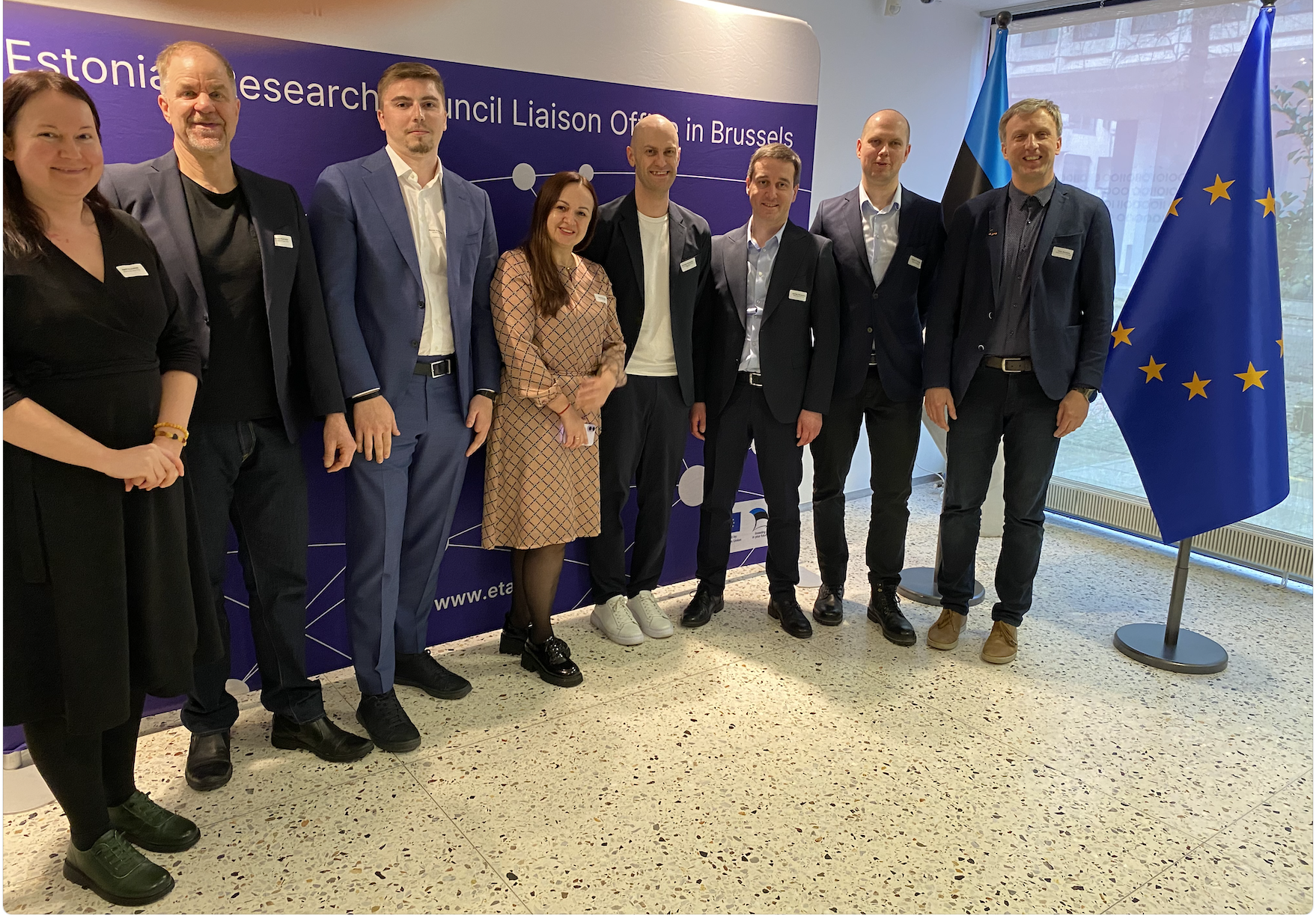
On 26–27 March, over 60 researchers and innovators in the field of applied artificial intelligence (AI) gathered in Brussels. Participants came from nearly 20 countries, including Lithuania, Estonia, Latvia, Bulgaria, Belgium, the Netherlands, Finland, Poland, Austria, Romania, Greece, Portugal, Montenegro, Slovenia, Slovakia, Switzerland, Luxembourg, the United Kingdom, and Ghana.
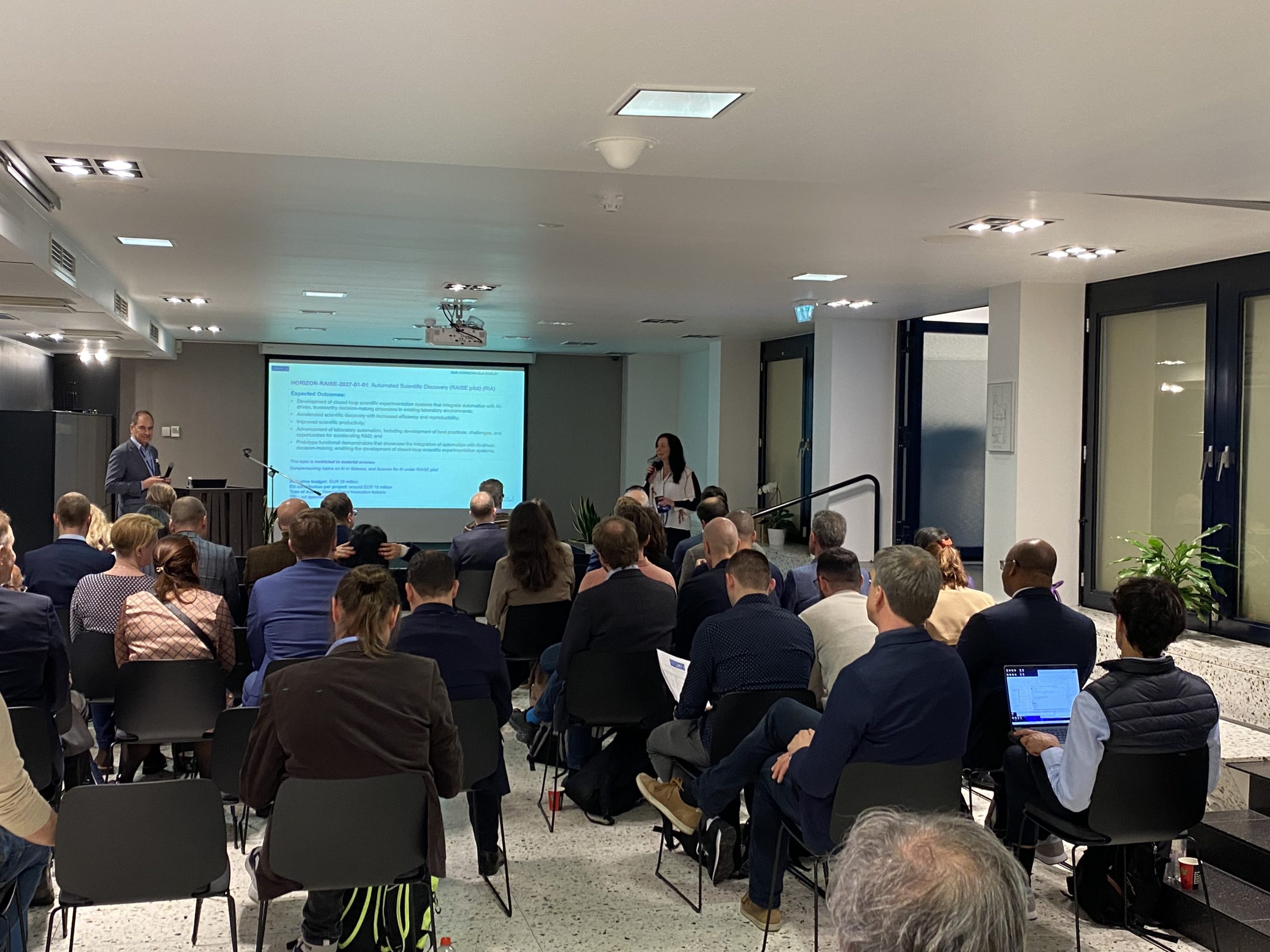
The aim of the event was to facilitate networking and partner search for international consortia under specific seven calls from the Horizon Europe 2027 work programme. The selected calls covered the application of AI in manufacturing and circularity, laboratory automation, health, public administration, and the environment, as well as robotics and digital twins. The calls also addressed the development of large language models and frontier models, alongside topics such as human–AI collaboration, human-centred AI, crossovers between AI and social sciences, AI ethics, and European–African cooperation in AI.
The event stood out for the diversity of both its topics and participating countries. The range of represented institutions was equally broad, including universities, colleges, research and innovation centres, government agencies, startups, and companies. The number of applications exceeded the available places, highlighting the strong interest in applied AI across sectors and regions.
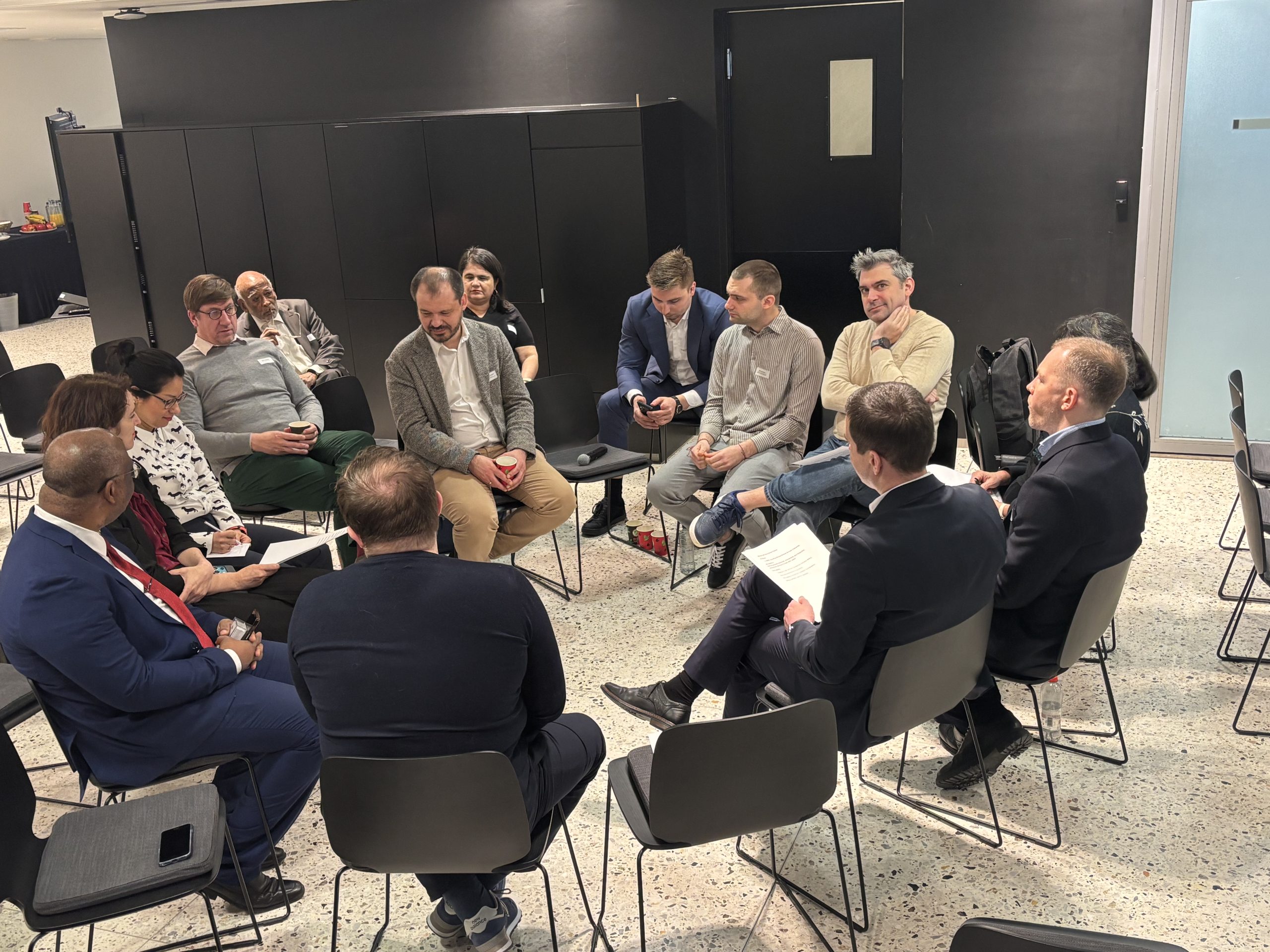
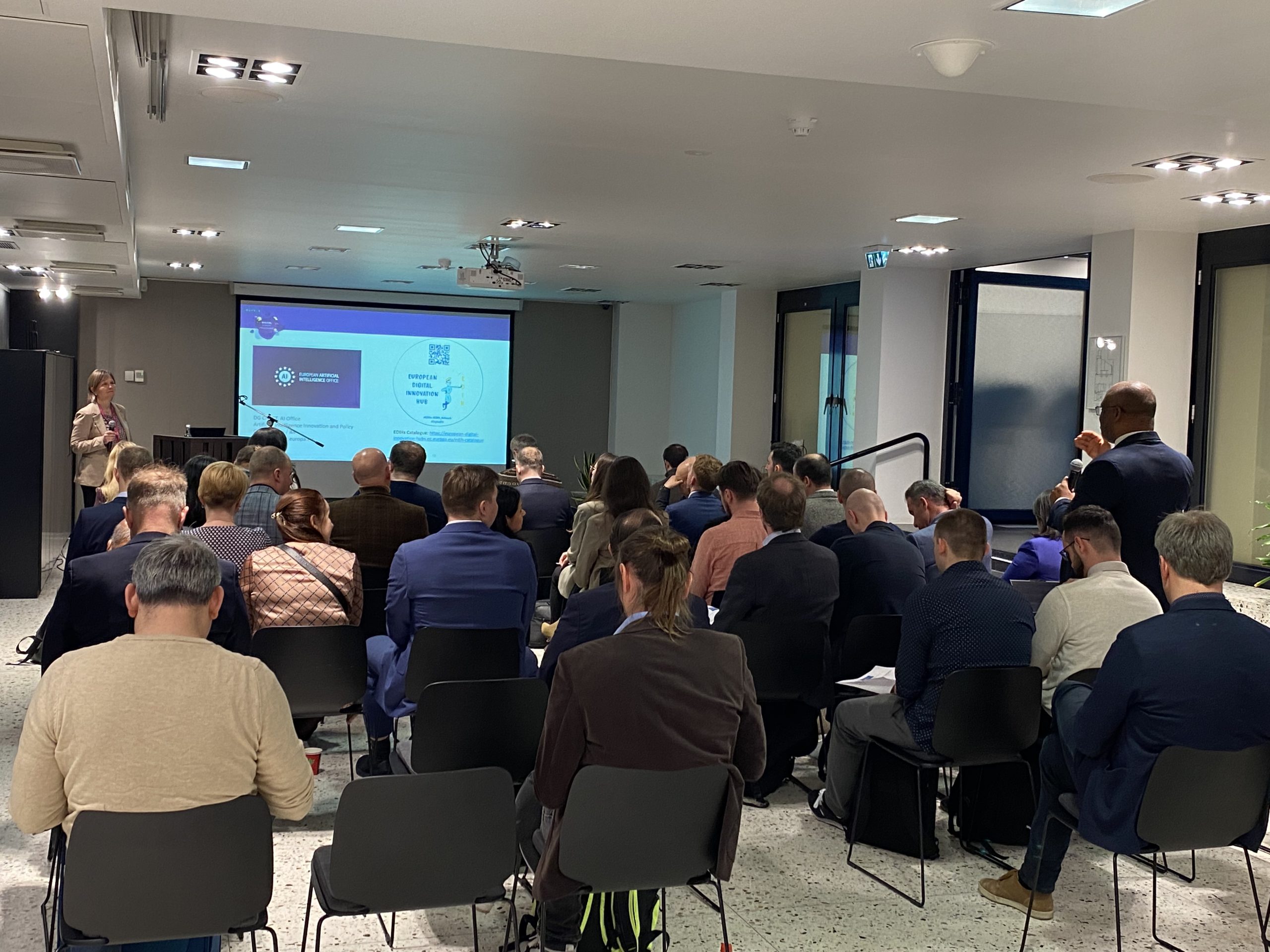
The two-day programme was intensive and dynamic. Participants attended four presentations by the European Commission on the EU Applied AI Strategy and the Horizon Europe 2027 calls, received national contact point (NCP) guidance, delivered pitches, and engaged in discussions on AI research, innovation, and policy in “world café” roundtable sessions. In total, approximately 80 one-on-one meetings took place, alongside numerous informal networking exchanges.
Many participants expressed appreciation for the opportunity to meet colleagues from other countries in person. While currently there are many opportunities to find consortia partners online, it seems that in-person events remain relevant and provide a more emotionally and otherwise rewarding experience. Many of the attendants expressed their interest to be informed about similar events in the future.
This matchmaking was jointly organised by the Research Council of Lithuania’s offices LINO and NCP (based in Brussels and Vilnius respectively), together with the Brussels offices of the Estonian, Bulgarian and Ukrainian research councils, as well as Estonian NCP.
Participants from Lithuania included representatives from Vilnius University, Kaunas University of Technology, Vilnius College of Design, Kaunas College, and the company “Neurotechnology.” We thank everyone for their active participation.